

Your contractor says $3,000. Your neighbor paid $8,000 for the same-sized driveway. Who got the better deal?
Paving a driveway costs anywhere from $3 to $30 per square foot, depending on material choice, site conditions, and labor rates. That massive range leaves most homeowners confused about what they should actually pay. Here’s what you need to know:
- Real costs for asphalt, concrete, pavers, and gravel driveways
- How size and shape affect your final bill
- Hidden expenses that inflate quotes by 30-50%
- Material pros and cons beyond just price
- Smart ways to cut costs without sacrificing quality
We install paver driveways throughout South Florida at Sublime Pavers. We know what fair pricing looks like—and what red flags signal you’re being overcharged. Whether you’re comparing materials or just trying to budget accurately, this guide gives you the real numbers.
Real Costs for Asphalt, Concrete, Pavers, and Gravel Driveways
Let’s skip the vague ranges and get to actual numbers you can budget with.
Asphalt: The Budget-Friendly Workhorse
Asphalt costs $7 to $15 per square foot installed, making it one of the most affordable paved options. The average asphalt driveway costs $5,263, but totals swing based on thickness and site conditions.
What you get: 15 to 30 years of lifespan with proper maintenance. The surface handles South Florida heat without cracking and provides smooth, uniform coverage.
Real project costs:
- Single-car (12′ x 20′): $1,680 – $3,600
- Two-car (20′ x 20′): $2,800 – $6,000
- Large (24′ x 24′): $4,032 – $8,640
Hidden cost: Sealing every 2-10 years at $1 to $2 per square foot. Skip this, and your driveway deteriorates fast.
Concrete: The Long-Term Investment
Concrete runs $6 to $15 per square foot for materials and installation. It costs slightly less upfront than asphalt in some markets but lasts significantly longer.
What you get: 30-40 years of durability. Concrete handles heavy vehicles without rutting and offers clean, modern aesthetics.
Real project costs:
- Single-car (12′ x 20′): $1,440 – $3,600
- Two-car (20′ x 20′): $2,400 – $6,000
- Large (24′ x 24′): $3,456 – $8,640
Decorative finishes (stamping, coloring, exposed aggregate) add $2 to $8 per square foot but transform basic gray concrete into something visually striking.
Pavers: Premium Aesthetic and Flexibility
Paver driveways cost $10 to $30 per square foot installed, with prices climbing based on material choice and design complexity.
Material breakdown:
- Concrete pavers: $10 to $25 per square foot
- Brick pavers: $10 to $45 per square foot
- Natural stone: $15 to $60 per square foot
- Cobblestone: $18 to $50 per square foot
Real project costs:
- Two-car (24′ x 24′): $5,760 – $17,280 (concrete pavers)
- Two-car (24′ x 24′): $10,368 – $28,800 (natural stone)
Pavers last 25 to 75 years and offer easy repairs—just replace damaged individual pieces rather than resurfacing entire sections. We install paver driveways throughout Broward County at Sublime Pavers, and homeowners consistently choose them for the design flexibility and long-term value despite higher upfront costs.
Gravel: The Budget Champion
Gravel costs $1 to $4 per square foot—the cheapest option by far. It’s ideal for long rural driveways or properties where aesthetics take a backseat to function.
Real project costs:
- Single-car (12′ x 20′): $240 – $960
- Two-car (20′ x 20′): $400 – $1,600
- Large (24′ x 24′): $576 – $2,304
Trade-off: Gravel requires constant maintenance. Stones migrate, weeds grow through, and vehicles create ruts. You’ll be raking and adding new stone every few years.
Quick Comparison Table
| Material | Cost Per Sq Ft | 400 Sq Ft Total | Lifespan |
|---|---|---|---|
| Gravel | $1-$4 | $400-$1,600 | Indefinite (high maintenance) |
| Asphalt | $7-$15 | $2,800-$6,000 | 15-30 years |
| Concrete | $6-$15 | $2,400-$6,000 | 30-40 years |
| Pavers | $10-$30 | $4,000-$12,000 | 25-75 years |
The right choice depends on your budget, timeline, and how long you plan to stay in the property. Asphalt delivers quick, affordable results. Concrete offers longevity. Pavers provide customization and curb appeal.
How Size and Shape Affect Your Final Bill
Size matters, but not the way you’d think. Bigger driveways don’t always cost more per square foot—they often cost less.
The Square Footage Math
A standard two-car driveway (20′ x 20′ or 400 square feet) runs $2,800 to $6,000 for asphalt. Double that to 800 square feet and your total climbs to $5,600 to $12,000—but your per-square-foot rate actually drops.
Why? Fixed costs get spread across a larger area. Equipment rental, contractor mobilization, and site setup cost roughly the same whether you’re paving 300 or 800 square feet. On smaller projects, those fixed expenses inflate your cost per square foot by 20% to 40%.
Driveway size examples:
| Size | Square Footage | Asphalt Cost | Paver Cost |
|---|---|---|---|
| Small single (10′ x 20′) | 200 sq ft | $1,400-$3,000 | $2,000-$6,000 |
| Standard single (12′ x 24′) | 288 sq ft | $2,016-$4,320 | $2,880-$8,640 |
| Two-car (20′ x 20′) | 400 sq ft | $2,800-$6,000 | $4,000-$12,000 |
| Large two-car (24′ x 24′) | 576 sq ft | $4,032-$8,640 | $5,760-$17,280 |
Notice how the 7 per square foot rate holds steadier on larger projects? That’s the economy of scale working in your favor.
Shape Complexity Changes Everything
Straight rectangular driveways are the cheapest to install. Curves, circles, and custom shapes add 15% to 35% to labor costs.
- Simple rectangle: Standard pricing applies. Crews work efficiently with minimal cutting or custom fitting.
- Curved driveway: Add 15-20% for pavers, 10-15% for asphalt. Curves require precise cutting and more material waste.
- Circular or wraparound: Add 25-35%. These designs need careful planning and skilled installation to get angles and transitions right.
- Irregular shapes: Budget an extra 20-30%. Custom layouts mean more measuring, cutting, and fitting time.
At Sublime Pavers, we handle complex driveway designs regularly throughout Fort Lauderdale and Broward County. The right contractor makes intricate shapes work without breaking your budget—but expect to pay for that expertise.
Grade and Slope Impact
Flat driveways cost the least. Any slope—uphill or downhill—adds expense.
- Mild slope (2-5% grade): Standard pricing, since proper drainage requires some slope anyway.
- Moderate slope (5-10% grade): Add $2 to $4 per square foot for additional excavation and base work.
- Steep slope (10%+ grade): Add $4 to $8 per square foot. Requires specialized techniques to prevent erosion and ensure stability.
Sloped residential driveways need extra prep work to create level sections or transition zones. That means more excavation, additional base material, and careful grading—all driving up material costs and labor costs.
Width Matters for Function
A 10-foot-wide driveway works for one car but feels cramped. A 12-foot width is standard for comfortable single-car access. Two-car driveways need at least 18-20 feet of width.
- Narrow driveways (under 10 feet): Cheaper upfront, but limit usability and can hurt curb appeal.
- Standard width (12-20 feet): Best balance of cost and function.
- Wide driveways (20+ feet): Higher total cost but offer flexibility for parking multiple vehicles or allowing side-by-side access.
Going too narrow to save money often backfires. You’ll scrape mirrors on edges, struggle to park, and potentially damage the driveway faster from concentrated tire traffic.
Hidden Expenses That Inflate Quotes by 30-50%
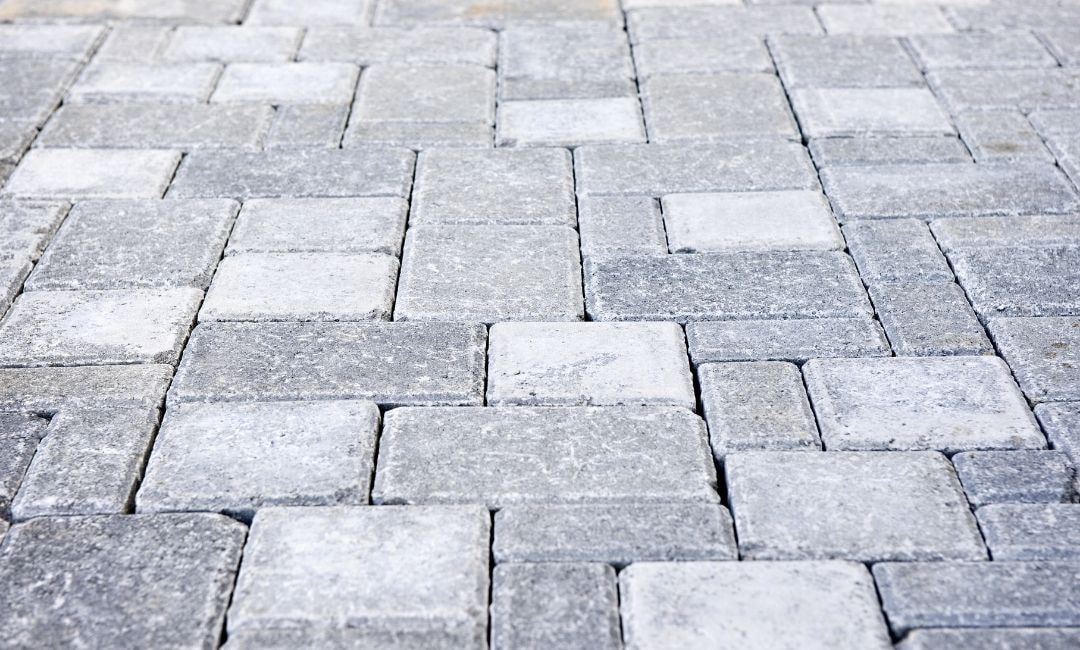
The quote says $5,000. The final invoice says $7,500. Here’s where that extra money goes.
Site Preparation Nobody Mentions
Most contractors quote assuming your site is “ready to pave.” Reality check: it rarely is.
- Excavation work removes old materials and digs down to create proper depth. This costs $1 to $5 per square foot, depending on soil type and depth needed. Rocky soil or heavy clay? Expect the higher end.
- Grading and leveling ensure proper drainage and create a stable foundation. Budget $5 to $10 per square foot if your existing surface has uneven surfaces or a floor slope.
- Tree and shrub removal runs $150 to $2,000 per tree if vegetation blocks the driveway path. Stump grinding adds another $100 to $400 per stump.
For a 400-square-foot driveway needing full site prep, add $2,000 to $6,000 before the first drop of asphalt or first paver goes down.
Old Driveway Removal
Contractors often exclude demolition and disposal from initial quotes. Removing your old driveway costs $1 to $6 per square foot, depending on material thickness and difficulty.
- Breaking up concrete: Most expensive at $3 to $6 per square foot. Concrete is heavy and labor-intensive to remove.
- Asphalt removal: Moderate cost at $1 to $2 per square foot. Easier to break apart, but still requires hauling.
- Gravel or paver removal: Cheapest at $1 to $2 per square foot. Materials are lighter and often reusable.
- Disposal fees add another $200 to $800, depending on landfill rates and haul distance. Some contractors include this; others tack it on later.
Base Layer Requirements
A proper installation requires a solid base layer underneath—typically crushed stone or gravel compacted in layers. Many homeowners don’t realize this isn’t included in standard “paving” quotes.
- Base material costs $1 to $3 per square foot for 4-6 inches of compacted aggregate. Heavier vehicles or poor soil conditions require thicker bases, pushing costs higher.
- Geotextile fabric placed between soil and base prevents shifting and costs $0.50 to $1 per square foot. Not always necessary, but recommended for soft or unstable soil.
Skip the proper base layer and you’ll have cracks and settling within 2-3 years—requiring full replacement far sooner than expected.
Drainage Solutions
Poor drainage destroys driveways. Water pooling leads to cracks, erosion, and premature failure. Fixing drainage issues adds significant cost.
- French drains: $1,000 to $3,000 installed. Channels water away from the driveway to prevent undermining.
- Catch basins: $500 to $1,500 each. Collects water at low points and directs it to storm drains.
- Regrading: $3 to $8 per square foot. Adjusts slope to direct water properly.
Climate plays a role here. South Florida’s heavy rainfall makes proper drainage non-negotiable. Colder climates face freeze-thaw cycles that crack poorly drained surfaces.
Permits and Inspections
Many municipalities require permits for new driveway installation or full replacement projects. Costs vary significantly depending on location.
- Building permits: $50 to $250 for most residential driveways in Broward County. Some cities charge more if the driveway connects to a public street.
- Engineering review: $300 to $800 if your project requires drainage plans or site assessments.
- Inspection fees: $100 to $300 for required inspections during and after installation.
Most contractors handle permit applications, but those costs get passed to you—sometimes buried in the quote, sometimes added later.
Edging and Borders
Driveways need defined edges to prevent material spread and maintain clean lines. This “finishing touch” rarely appears in base quotes.
- Concrete curbing: $5 to $15 per linear foot. Durable and looks professional.
- Plastic or metal edging: $2 to $5 per linear foot. Cheaper but less visible.
- Belgian block or pavers: $20 to $40 per linear foot. Premium look but expensive.
For a 20′ x 20′ driveway, edging adds $320 to $2,400, depending on material choice.
Seasonal Demand Surcharges
Timing affects cost more than most homeowners realize. Spring and summer bring higher demand, which means inflated prices.
- Peak season (March-August): Expect to pay 10-20% more due to contractor demand and higher material costs.
- Off-season (September-February): Better pricing as contractors compete for work. Early fall offers the best weather conditions without peak pricing.
- Emergency rush jobs: Add 25-50% if you need work done immediately. Last-minute scheduling costs contractors money, which they pass to you.
Material Upgrades You Didn’t Know Existed
Base quotes assume standard materials. Upgrades appear during project discussions—often after you’ve mentally committed.
- Colored asphalt: Add $1 to $3 per square foot for non-standard colors.
- Stamped asphalt: Add $3 to $8 per square foot for decorative patterns.
- Porous asphalt: Add $2 to $4 per square foot for permeable paving that allows water drainage.
- Reclaimed asphalt: Save $1 to $2 per square foot, but sacrifice some durability and aesthetic appeal.
For concrete driveways, decorative options include stamping, staining, and exposed aggregate—each adding $2 to $8 per square foot.
Material Pros and Cons Beyond Just Price
Cost tells part of the story. Here’s what you actually live with after installation.
Asphalt: Quick and Practical
Pros:
- Fast installation—most projects complete in 1-2 days
- Smooth surface that’s easy on tires and comfortable to walk on
- Self-healing properties in hot weather; small cracks close up naturally
- Lower upfront cost than concrete or pavers
- Hot mix asphalt handles temperature fluctuations well
Cons:
- Needs regular sealcoating every 3-5 years ($400-$800 per application)
- Softens in extreme heat; tire marks appear on 100°+ days
- Fades to gray over time without maintenance
- Not ideal for heavy vehicles on small driveways—rutting occurs
- 15-30 year lifespan means eventual full replacement
Best for homeowners wanting affordable, functional paving that handles moderate traffic without extensive maintenance demands.
Concrete: Built to Last
Pros:
- 30-40 year lifespan with minimal maintenance
- Handles heavy vehicles without rutting or deforming
- Stays cooler than asphalt in direct sunlight
- Available in decorative finishes (stamped, colored, exposed aggregate)
- Doesn’t require regular sealing like asphalt
Cons:
- Repairing cracks requires professional work and looks patchy
- Installation takes longer; 7-10 days before you can drive on it
- Susceptible to cracking in freeze-thaw cycles (less relevant in South Florida)
- More expensive upfront than asphalt
- Stains from oil, rust, and other fluids show prominently
Perfect for homeowners planning long-term stays who want minimal upkeep and clean aesthetics.
Pavers: Premium Customization
Pros:
- 25-75 year lifespan depending on material choice
- Easy repairs—replace individual damaged pavers, not entire sections
- Immediate usability; drive on them right after installation
- Unlimited design options with colors, patterns, and textures
- Natural stone and brick options add significant curb appeal
- Permeable varieties allow water drainage, reducing runoff
Cons:
- Highest upfront cost at $10-$30 per square foot installed
- Weeds grow between pavers without a proper base and maintenance
- Can shift or settle if the base isn’t properly compacted
- Requires occasional re-sanding of joints
- Snow removal can dislodge pavers in colder climates
Industry experts agree that pavers deliver the best long-term value despite higher initial costs. At Sublime Pavers, we see homeowners choose pavers for the combination of durability, repairability, and aesthetic appeal that other driveway materials can’t match.
Gravel: The Budget Option
Pros:
- Cheapest option at $1-$4 per square foot
- Easy to install and DIY-friendly
- Excellent drainage—water flows right through
- Simple repairs; just add more gravel
- Works well for long rural driveways where cost matters most
Cons:
- Constant maintenance required; gravel migrates and spreads
- Weeds grow through without landscape fabric
- Dusty in dry weather, muddy when wet
- Uncomfortable to walk on
- Not suitable for steep driveways—stones wash away
- Poor aesthetic appeal compared to paved options
Gravel makes sense for budget-conscious projects or properties where function trumps appearance.
Alternative Materials Worth Considering
- Rubber driveway: $6 to $11 per square foot. Made from recycled tires, eco-friendly, and easy to maintain. Lasts 20+ years but has limited color options.
- Permeable pavers: $8 to $30 per square foot. Allows water to filter through, reducing runoff. Great for environmentally conscious homeowners and areas with strict stormwater regulations.
- Stamped concrete: Mimics pavers or natural stone at a lower cost ($8-$18 per square foot). Offers a custom look without a paver price tag, though still requires sealing.
Smart Ways to Cut Costs Without Sacrificing Quality
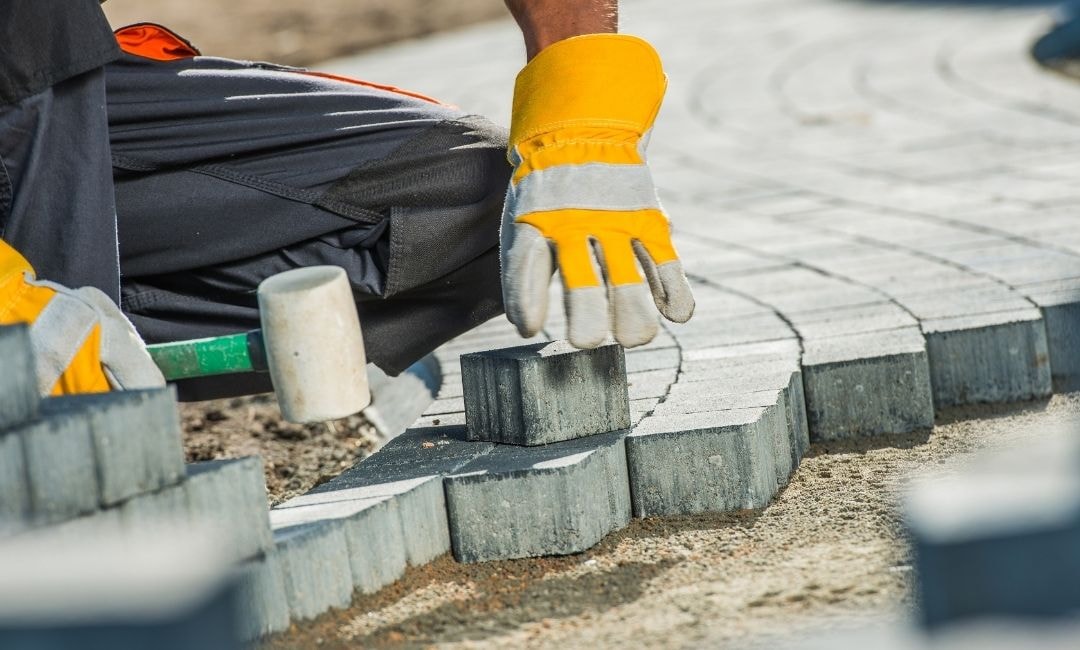
You want professional results without the inflated price tag. Here’s how to save money intelligently.
Time Your Project Right
Demand drives pricing more than most homeowners realize. Schedule your driveway project during the off-season and watch quotes drop.
- Best timing: Late fall through winter (October-February). Contractors compete for work when demand slows. You’ll see prices drop 10-20% compared to peak season.
- Worst timing: Spring and early summer. Everyone wants outdoor projects done in nice weather. Higher demand means premium pricing and longer wait times.
Pro tip: Get free estimates from multiple contractors in late summer, then schedule work for early fall. You’ll lock in competitive pricing before the holiday slowdown.
Prep the Site Yourself
Preparation work carries huge markups. Contractors charge $50 to $100 per hour for tasks you can handle with basic tools and weekend labor.
What you can DIY:
- Clearing vegetation and debris
- Removing old edging or borders
- Basic grading if you rent equipment ($100-$200/day)
- Demolishing old materials (if physically capable)
What you shouldn’t DIY:
- Major excavation requiring heavy machinery
- Drainage system installation
- Base layer compaction (requires specialized roller)
- Anything affecting structural integrity
One homeowner in Pembroke Pines saved $2,200 by clearing their site and removing old pavers themselves. That’s money redirected toward higher-quality materials.
Choose Cost-Effective Materials Strategically
You don’t need a premium everywhere. Mix materials to balance budget and aesthetics.
- High-traffic areas: Use durable materials like concrete or quality pavers where vehicles drive and turn frequently.
- Low-traffic sections: Use stamped concrete or standard asphalt in areas that see less wear.
- Borders and accents: Splurge on decorative pavers or natural stone for visual impact without covering the entire surface.
This strategy cuts total cost by 20-30% while maintaining professional appearance and durability where it matters.
Simplify the Design
Complex shapes look impressive but cost substantially more. Straight lines and right angles keep labor costs down.
- Simple rectangular driveway: Standard pricing, fastest installation.
- Curved edges: Add 15-20% to cost. Worth it for aesthetic appeal if budget allows.
- Circular turnarounds: Add 25-35%. Consider whether you actually need this feature or just want it.
- Custom patterns: Add 20-40% depending on complexity. Beautiful but expensive.
Sometimes the simplest design delivers the best value. Save the elaborate patterns for smaller accent areas rather than the entire driveway.
Get Multiple Detailed Quotes
This seems obvious, but most homeowners stop at two quotes. Get at least four to five estimates from reputable contractors.
Each quote should include:
- Material costs broken out separately
- Labor costs itemized by task
- Site preparation specifics
- Timeline estimates
- Warranty details
Compare line-by-line. One contractor might pad material costs by 15%. Another might overcharge for labor. Free estimates cost you nothing but reveal pricing inconsistencies immediately.
Bundle Projects Together
Need walkway repairs? Pool deck resurfacing? Bundle these with your driveway project.
Contractors discount bundled work because mobilization happens once. You’ll save 10-20% on combined projects versus hiring separately.
At Sublime Pavers, we frequently bundle driveway, walkway, and patio installations for homeowners throughout South Florida. The savings add up fast when equipment and crews handle multiple areas in one visit.
Consider Partial Replacement
If your existing surface is in decent shape with isolated damage, repair rather than replace.
- Asphalt overlay: $3 to $7 per square foot. Adds a new layer over existing sound asphalt. Extends life 10-15 years at half the cost of full replacement.
- Concrete resurfacing: $3 to $10 per square foot. Covers damaged surface with a new layer, hiding cosmetic issues.
- Paver repair: Replace only damaged sections rather than the entire driveway. Saves 60-80% compared to complete reinstallation.
Not every driveway qualifies, but it’s worth asking. A thorough assessment determines whether repair makes sense or full replacement is necessary.
Negotiate Payment Terms and Timing
Some contractors offer discounts for flexible scheduling or payment arrangements.
- Off-peak discounts: Ask if they discount for work scheduled during slow periods. Many contractors prefer steady work at lower margins over empty schedules.
- Cash discounts: Some contractors knock off 3-5% for cash payment (verify this is legal and get proper documentation).
- Payment flexibility: Negotiate payment schedules that protect both parties—typically 10-25% deposit, progress payments, and final payment upon completion.
- Avoid: Contractors demanding 50%+ upfront. This is a red flag for potential problems.
Skip Unnecessary Upgrades
Contractors suggest upgrades that sound appealing but don’t deliver proportional value.
- Heated driveways: Add $12 to $27 per square foot. A heating system under asphalt melts snow automatically—but completely unnecessary in South Florida.
- Premium sealers: Standard sealers work fine for residential driveways. Premium options cost 50-100% more without meaningful performance gains.
- Decorative borders: Beautiful but expensive. Stick with simple edging if the budget is tight.
Focus money on proper installation, quality materials, and solid base work. These fundamentals matter more than decorative extras.
Maintain What You’ve Got
Regular maintenance extends driveway life significantly and delays expensive replacement.
- For asphalt: Regular sealcoating every 3-5 years ($400-$800) prevents deterioration. Fill small cracks immediately ($50-$200) before they become major repairs ($600-$3,000).
- For concrete: Clean regularly, reseal every 2-3 years ($200-$500), and address minor cracks quickly ($100-$400).
- For pavers: Re-sand joints annually ($100-$300), power wash as needed ($150-$400), and replace damaged individual pavers ($50-$200).
Proper maintenance costs 5-10% of replacement cost while adding years to lifespan. It’s the easiest way to save money long-term.
Get Quality Driveway Paving With Sublime Pavers
Driveway paving costs range from $3 to $30 per square foot, depending on material choice, size, and site conditions. Understanding what drives those costs helps you budget accurately and avoid surprise expenses that inflate final bills by thousands.
Key takeaways:
- Asphalt costs $7-$15 per square foot, concrete runs $6-$15, pavers cost $10-$30, and gravel is $1-$4
- Larger driveways cost less per square foot due to fixed mobilization costs spreading across more area
- Hidden expenses (excavation, drainage, permits, old material removal) add 30-50% to base quotes
- Shape complexity, slope, and site preparation significantly impact labor costs
- Off-season scheduling (October-February) saves 10-20% compared to peak spring/summer pricing
- Proper maintenance extends lifespan and delays expensive replacement by years
Whether you’re weighing asphalt against pavers or just trying to understand fair pricing, Sublime Pavers delivers transparent quotes and quality installations throughout Broward County.
We specialize in paver driveways that offer superior longevity, easy repairs, and customization options other materials can’t match. Call (754) 260-7193 for a detailed cost breakdown and free estimates on your driveway project.
FAQs
How much does it cost to pave a 200-foot driveway?
A 200-foot driveway typically measures around 2,000-2,400 square feet (assuming 10-12 feet wide). Asphalt installation costs $14,000 to $36,000 at $7-$15 per square foot. Concrete runs similar pricing at $12,000-$36,000. Pavers cost $20,000 to $72,000, depending on material. Add 20-30% for additional costs like excavation, grading, and drainage work.
How much does a 20×20 asphalt driveway cost?
A 20×20 asphalt driveway (400 square feet) costs $2,800 to $6,000 installed, including materials and labor. Basic asphalt paver work averages around $4,400 for this size. Expect higher driveway paving costs if your site needs significant prep work, drainage improvements, or if you’re removing an old driveway first.
What is the cheapest way to pave a driveway?
Gravel is the cheapest at $1-$4 per square foot ($400-$1,600 for 400 sq ft). If you want actual paving, reclaimed asphalt costs $3-$7 per square foot—cheaper than new asphalt driveway installation at $7-$15 per square foot. DIY gravel installation saves the most money but requires ongoing maintenance and lacks the durability of paved surfaces.
Is it cheaper to blacktop or concrete?
Blacktop (asphalt) is typically cheaper upfront at $7-$15 per square foot versus concrete at $6-$15 per square foot. However, asphalt driveway installation requires regular sealcoating ($400-$800 every 3-5 years), while concrete needs minimal maintenance. Over 30 years, concrete often costs less due to its longer lifespan and lower maintenance requirements despite similar initial paving costs.
How do you calculate the cost of an asphalt driveway?
Multiply your driveway’s square footage by the local rate per square foot ($7-$15). For a 500 sq ft driveway: 500 × $10 (average) = $5,000 base cost. Then add additional costs: site prep ($1,000-$3,000), old driveway removal if needed ($500-$3,000), drainage work ($500-$2,000), and permits ($50-$250). Total driveway paving costs typically run $7,050-$13,250 for this size project.


