

That crumbling driveway isn’t getting any cheaper to fix. Every year you wait, the damage spreads deeper into the base layer, and what could have been a resurfacing job turns into a full replacement. The average driveway repaving project costs between $3,000 and $15,000, but your actual number depends on material choice, driveway size, and how much demolition work is involved.
This guide breaks down the real costs so you can budget accurately and avoid overpaying.
What you’ll learn:
- Average repaving costs by material (asphalt, concrete, pavers)
- Key factors that drive your final price up or down
- Repaving vs. resurfacing and when each makes sense
- Signs your driveway needs full replacement
- Smart ways to save money without sacrificing quality
At Sublime Pavers, we specialize in paver driveways and restorations across Broward County. If you’re weighing your options and want an honest assessment of what your driveway actually needs, we’re happy to take a look.
Average Repaving Costs by Material
The material you choose has the biggest impact on your total cost. Each option comes with different price points, lifespans, and maintenance requirements. Here’s what you can realistically expect to pay for driveway repaving.
Asphalt Driveway
Asphalt remains the most popular choice for budget-conscious homeowners, especially in cold climates where its flexibility handles freezing temperatures well.
| Driveway Size | Square Footage | Estimated Cost |
|---|---|---|
| Single-car | 200-300 sq ft | $1,400-$3,900 |
| Two-car | 400-600 sq ft | $2,800-$7,800 |
| Three-car | 700-900 sq ft | $4,900-$11,700 |
| Large/custom | 1,000+ sq ft | $7,000-$15,000+ |
Cost breakdown:
- Materials: $3 to $7 per square foot
- Installation: $7 to $13 per square foot (including labor)
- Lifespan: 15 to 20 years with proper maintenance
Asphalt costs less upfront than concrete or pavers, but it requires more maintenance. You’ll need to sealcoat every 2 to 5 years and address cracks promptly to maximize lifespan. In hot climates, asphalt can soften and develop ruts under heavy vehicle loads.
Concrete Driveway
Concrete offers superior durability and lower long-term maintenance, making it a popular choice despite higher initial costs.
| Driveway Size | Square Footage | Estimated Cost |
|---|---|---|
| Single-car | 200-300 sq ft | $1,600-$5,400 |
| Two-car | 400-600 sq ft | $3,200-$10,800 |
| Three-car | 700-900 sq ft | $5,600-$16,200 |
| Large/custom | 1,000+ sq ft | $8,000-$18,000+ |
Cost breakdown:
- Materials: $3 to $6 per square foot (plain gray)
- Installation: $8 to $18 per square foot total
- Decorative options: Add $2 to $10 per square foot for stamped or stained finishes
- Lifespan: 30 to 50 years
A concrete driveway handles heat better than asphalt, but can crack in extreme cold. The higher upfront investment often pays off through decades of minimal maintenance.
Paver Driveway
Pavers deliver the highest curb appeal and longest lifespan, but they come with premium pricing.
| Driveway Size | Square Footage | Estimated Cost |
|---|---|---|
| Single-car | 200-300 sq ft | $2,000-$9,000 |
| Two-car | 400-600 sq ft | $4,000-$18,000 |
| Three-car | 700-900 sq ft | $7,000-$27,000 |
| Large/custom | 1,000+ sq ft | $10,000-$50,000+ |
Cost breakdown:
- Concrete pavers: $10 to $25 per square foot installed
- Brick pavers: $15 to $30 per square foot installed
- Natural stone: $25 to $50+ per square foot installed
- Lifespan: 50 to 100 years
The beauty of paving stones? If individual pavers crack or settle, you can replace individual bricks without redoing the entire driveway. This makes long-term maintenance more affordable despite the higher initial investment.
Gravel Driveway
For rural properties or those on a tight budget, gravel offers a budget-friendly option with the lowest upfront costs.
Cost: $1 to $3 per square foot installed
A gravel driveway requires regular maintenance, including raking, adding new gravel periodically, and addressing drainage issues. Lifespan can exceed 100 years with consistent upkeep, but the ongoing maintenance commitment isn’t for everyone.
Quick Material Comparison
| Material | Cost/Sq Ft | Lifespan | Maintenance | Best Climate |
|---|---|---|---|---|
| Asphalt | $7-$13 | 15-20 years | High | Cold climates |
| Concrete | $8-$18 | 30-50 years | Low | Hot climates |
| Pavers | $10-$50 | 50-100 years | Low-Medium | All climates |
| Gravel | $1-$3 | 100+ years | High | Rural areas |
Key Factors That Drive Your Final Price Up or Down
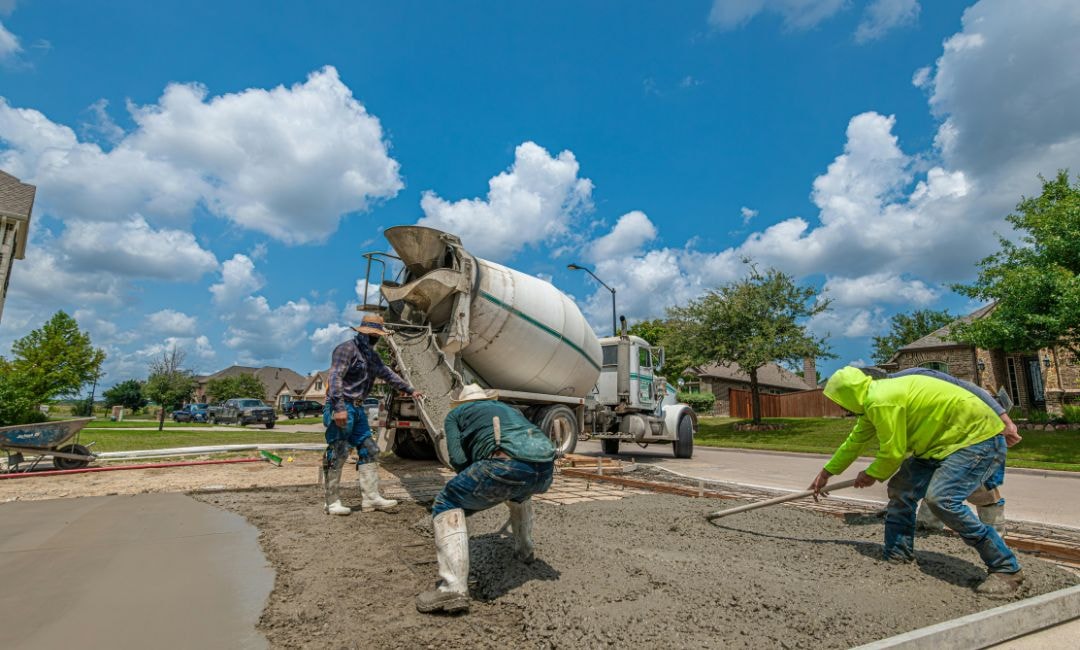
Material costs tell only part of the story. Several cost factors can significantly increase or decrease your driveway repaving cost beyond the base price per square foot.
Driveway Size and Shape
This one’s obvious: larger driveways cost more. But shape matters too. A simple rectangular driveway is straightforward to install. Driveways with unusual shapes, curves, or multiple sections require more cutting, fitting, and labor.
Most driveways fall between 400 and 600 square feet for a standard two-car configuration. Circular driveways or those with turnaround areas can easily exceed 1,000 square feet.
Pro tip:Measure your existing driveway before getting quotes. Knowing your square footage helps you verify that contractor estimates are accurate.
Demolition and Removal
Before installing a new driveway, your old driveway needs to go. Demolition adds significant cost:
- Asphalt removal: $1 to $2 per square foot
- Concrete removal: $2 to $6 per square foot
- Hauling and disposal: Included or $200 to $500 additional
For a 500 sq ft driveway, demolition alone can add $500 to $3,000 to your final price.
Base Preparation and Grading
A structurally sound driveway starts with proper grading and a solid foundation. If your current driveway has drainage issues or the base has eroded, contractors will need to:
- Excavate and regrade the subsoil
- Install proper drainage system components
- Compact a new aggregate base layer
Excavation costs range from $1 to $5 per square foot, depending on soil conditions and equipment needs. Projects requiring a skid steer or other heavy equipment add to labor costs.
Labor Costs by Region
Labor rates vary dramatically by location. According to labor statistics, workers in high cost-of-living areas like South Florida, California, or the Northeast charge 20% to 40% more than national averages.
Labor typically accounts for 40% to 60% of your total cost. For a $10,000 project, that’s $4,000 to $6,000 in labor alone.
Permit Requirements
Many municipalities require permits for driveway work, especially if you’re:
- Changing the driveway’s footprint or location
- Modifying drainage that affects neighboring properties
- Connecting to public streets or sidewalks
Permits typically cost $50 to $200, though some jurisdictions charge more. Your contractor usually handles this, but the cost gets passed to you.
Additional Features
Upgrading beyond a basic driveway adds cost but can increase property value:
- Heated driveway: $12 to $21 per square foot (popular in cold climates)
- Decorative borders: $5 to $15 per linear foot
- Built-in drainage system: $400 to $2,400
- Landscape restoration: Varies by scope
Landscaping Costs
Repaving often damages adjacent landscaping. Budget for:
- Replacing plants or sod along driveway edges
- Repairing sprinkler systems
- Restoring mulch beds or decorative rock
Landscaping costs can add $200 to $1,000+, depending on what needs restoration after construction.
Repaving vs. Resurfacing: When Each Makes Sense
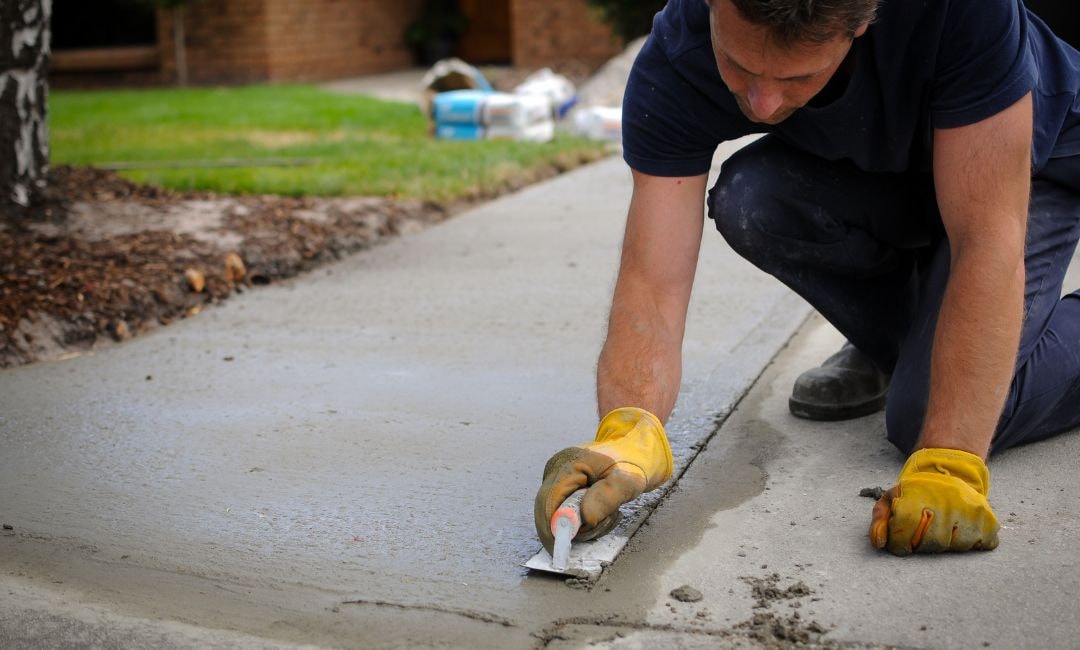
These terms get used interchangeably, but they’re very different projects with different price tags. Understanding the distinction can save you thousands.
What’s the Difference?
- Resurfacing adds a new top layer over your existing driveway. The old base stays in place, and contractors apply fresh material on top. This works only when the foundation is intact.
- Repaving (also called replacement) removes everything, including the old asphalt or concrete and often the base layer underneath. You’re essentially starting from scratch with a new driveway.
Resurfacing: The Budget-Friendly Option
Cost: $1 to $5 per square foot, or $400 to $4,000 for a typical two-car driveway
Resurfacing makes sense when:
- Your driveway is structurally sound but looks worn
- Surface damage includes minor cracks (under 1/4 inch), fading, or light pitting
- The base layer hasn’t shifted, settled, or eroded
- Your driveway is under 15 years old (asphalt) or under 25 years (concrete)
- No water pooling or drainage problems exist
Think of resurfacing as a facelift. It refreshes the appearance and extends lifespan by 8 to 15 years, but it doesn’t fix underlying problems.
Repaving: The Long-Term Solution
Cost: $7 to $18 per square foot, or $2,800 to $10,800+ for a typical two-car driveway
Repaving is the right choice when:
- Deep cracks extend through the surface into the base
- Multiple potholes have formed
- Large sections have settled or heaved
- The driveway is over 20 years old (asphalt) or over 40 years (concrete)
- Previous repairs keep failing
- You want to change materials or expand the driveway
Cost Comparison Table
| Project Type | Cost Per Sq Ft | 500 Sq Ft Driveway | Best For |
|---|---|---|---|
| Resurfacing | $1-$5 | $500-$2,500 | Surface damage only |
| Repaving | $7-$18 | $3,500-$9,000+ | Structural damage |
How to Know Which You Need
Walk your driveway and look for these signs:
Resurfacing candidates:
- Hairline cracks or crazing
- Faded color but solid feel underfoot
- Minor rough patches
- No movement when you walk across joints
Repaving candidates:
- Cracks you can fit a quarter into
- Sections that rock or flex when walked on
- Visible base material through worn spots
- Water pooling in low spots after rain
When in doubt, get a professional assessment. Industry experts can evaluate whether your existing asphalt or concrete base can support resurfacing or if full replacement is the smarter investment.
Signs Your Driveway Needs Full Replacement
Sometimes repairs and resurfacing aren’t enough. Here’s how to recognize when your old driveway is beyond saving and a new driveway is the only real solution.
Age Beyond Expected Lifespan
Driveway materials don’t last forever. If your driveway has exceeded its typical lifespan, even if it looks okay, the underlying structure is likely compromised:
- Asphalt: 15 to 20 years
- Concrete: 30 to 50 years
- Pavers: 50 to 100 years (often just need re-leveling)
A 25-year-old asphalt driveway might still function, but any repair you make is a temporary fix on a surface that’s already past its prime.
Extensive Cracking
Not all cracks are equal:
- Hairline cracks: Fill and seal (DIY or minor repair)
- Cracks 1/4 to 1/2 inch: Professional crack filling
- Cracks over 1/2 inch: Structural concern
- Alligator cracking (interconnected pattern): Base failure, replacement needed
When deep cracks cover more than 25% of your driveway surface, patching becomes a game of whack-a-mole. New cracks will keep appearing because the foundation is failing.
Multiple Potholes
A single pothole can be patched. Multiple potholes indicate widespread base deterioration. Each pothole you fill will eventually return, often larger than before, until you address the root cause.
Drainage Problems
Water pooling on your driveway signals improper slope or settled sections. This water infiltration accelerates damage through:
- Freeze-thaw cycles that expand cracks
- Base erosion that causes further settling
- Subgrade washout creating voids underneath
If you’re seeing drainage issues that weren’t there when the driveway was new, the surface has likely shifted beyond what resurfacing can correct.
Crumbling Edges
When the edges of your driveway break away and crumble, the old asphalt or concrete has lost structural integrity. This happens when:
- The base layer wasn’t properly extended to support edges
- Water has infiltrated and eroded the foundation
- Years of use have exceeded the material’s capacity
Failed Previous Repairs
Have you patched the same area multiple times? Repairs that keep failing indicate underlying problems that surface treatments can’t solve. The base needs to be rebuilt, which means full replacement.
You Want to Change Materials or Layout
If you’re considering switching from asphalt to pavers, widening your driveway, or changing its shape, you’re looking at repaving regardless of current condition. This is actually an opportunity to get exactly what you want.
Quick Assessment Checklist
| Condition | Repair | Resurface | Repave |
|---|---|---|---|
| Surface fading only | ✓ | ✓ | |
| Hairline cracks | ✓ | ✓ | |
| Cracks 1/4″-1/2″ | ✓ | ||
| Deep cracks (1/2″+) | ✓ | ||
| Single pothole | ✓ | ||
| Multiple potholes | ✓ | ||
| Alligator cracking | ✓ | ||
| Settled sections | ✓ | ||
| Water pooling | ✓ | ||
| Crumbling edges | ✓ | ||
| Age over lifespan | ✓ |
Smart Ways to Save Money Without Sacrificing Quality

Driveway repaving is a significant investment, but there are legitimate ways to reduce costs without compromising the finished product. Here’s how to get the best value.
Time Your Project Strategically
Contractors are busiest in early spring when everyone wants outdoor work done. Schedule your project during the off-season, typically late fall or early winter in warmer climates, and you may score discounts of 10% to 20%.
In South Florida, the slower summer months (when fewer people are thinking about driveways) can also yield better pricing.
Get Multiple Quotes
This advice gets repeated because it works. Get at least three written estimates from reputable contractors. Compare not just the final price, but what’s included:
- Demolition and removal
- Base preparation and proper grading
- Material specifications (thickness, type)
- Warranty coverage
- Timeline and payment terms
The lowest quote isn’t always the best value. Look for comprehensive pricing data that accounts for all work, not bare-bones estimates that balloon with add-ons.
Consider Resurfacing First
If your current driveway is structurally sound, resurfacing can deliver a like-new appearance for 30% to 50% of full replacement cost. A professional assessment can tell you whether this lower cost option is viable.
Do Your Own Prep Work
Some contractors will reduce labor costs if you handle preliminary tasks:
- Clear vehicles, planters, and obstacles from the driveway
- Remove landscaping plants along edges that would need to be worked around
- Handle debris disposal yourself if you have access to a trailer
Ask your contractor what prep work you can do to reduce labor costs. Not all will offer this, but it’s worth asking.
Choose the Right Material for Your Climate
Picking the wrong material means paying for costly repairs sooner:
- Cold climates: Asphalt handles freeze-thaw cycles better than concrete
- Hot climates: Concrete resists softening; asphalt can develop ruts
- All climates: Pavers work everywhere, but cost more upfront
The cheapest material upfront isn’t always the most cost-effective over the driveway’s lifespan.
Keep Design Simple
Driveways with unusual shapes, curves, or decorative elements cost more to install. A straightforward rectangular design minimizes waste and labor.
If you want visual interest, consider adding decorative borders rather than complex patterns throughout. You’ll get improved curb appeal without the premium price.
Maintain What You Have
Once your new driveway is installed, protect that investment:
- Seal asphalt every 2 to 5 years
- Address cracks immediately before they spread
- Keep the surface clean of debris and chemicals
- Ensure proper drainage to prevent water damage
Good maintenance can add 5 to 10 years to your driveway’s lifespan, delaying future repairs and your next repaving project.
Understand What Adds Value
A driveway increases home value, but not all upgrades provide equal return. According to real-world projects and industry data:
- Quality materials and professional installation add the most value
- Decorative upgrades have diminishing returns in some markets
- A functional, well-maintained driveway beats a fancy but damaged one
Focus your budget on durability and proper installation rather than purely aesthetic upgrades unless you’re in a high-end neighborhood where buyers expect premium finishes.
Make Your Driveway Investment Count With Sublime Pavers
Repaving a driveway is one of the larger home improvement investments you’ll make, but it pays dividends in property value, daily convenience, and the home’s curb appeal. Now you know what drives costs, when to resurface versus repave, and how to get the best value for your budget.
Key takeaways:
- Asphalt driveways cost $7 to $13 per square foot, concrete runs $8 to $18 per square foot, and pavers range from $10 to $50 per square foot installed
- Demolition of your old driveway adds $1 to $6 per square foot, depending on the material type
- Labor rates account for 40% to 60% of the total cost and vary significantly by region
- Resurfacing costs 30% to 50% less than full replacement, but only works when the base is structurally sound
- Signs you need a full replacement include deep cracks, multiple potholes, alligator cracking, and drainage problems
- Timing your project for the off-season can save 10% to 20% on your final cost
- Proper material selection for your climate prevents premature failure and costly repairs
- A quality driveway can last 20 to 100 years, depending on the material, making installation quality critical
If you’re ready to explore your options for your next project in Broward County, Sublime Pavers specializes in paver driveway installation and restoration. We’ll assess your existing driveway, discuss material choices that fit your budget and climate, and provide honest pricing with no hidden fees. Call (954) 420-6683 for a free estimate and see why South Florida homeowners trust us with their driveways.
FAQs
How much does it cost to pave a 2000 sq ft driveway?
For a 2000 sq ft driveway, expect to pay $14,000 to $26,000 for asphalt, $16,000 to $36,000 for concrete, or $20,000 to $100,000 for pavers. The average cost range varies based on paving materials, demolition needs, and regional labor rates. Larger driveways often get better per-square-foot pricing due to economies of scale.
Is it worth redoing your driveway?
Yes, if your driveway has structural damage, drainage problems, or is past its lifespan. Driveway paving adds curb appeal and can increase property value by 5% to 10%. A new driveway also eliminates ongoing repair costs and safety hazards. However, if only surface damage exists, resurfacing may deliver similar results at lower cost.
Is it better to resurface or replace a driveway?
It depends on your driveway’s condition. Resurface if the base is structurally sound with only surface-level damage like minor cracks or fading. Replace if you have deep cracks, multiple potholes, settling, or drainage issues. Resurfacing costs $1 to $5 per square foot while full replacement runs $7 to $18 per square foot.
How much does a 1000 foot asphalt driveway cost?
A 1000 sq ft asphalt driveway costs $7,000 to $13,000 for full installation including demolition, base preparation, and paving. The cost to repave varies based on existing conditions and whether you’re overlaying old asphalt or starting fresh. Add $1,000 to $2,000 if significant base repair is needed.
How much does it cost to completely redo a driveway?
Much does it cost to completely redo a driveway? For a standard two-car driveway (400-600 sq ft), budget $2,800 to $10,800 depending on material. This includes demolition ($1 to $6 per sq ft), base preparation, and new installation. The cost to repave increases with paving materials selection, drainage improvements, or decorative features.


