

That dark spot under your car isn’t just ugly. Left alone, oil stains can seep into concrete pores, weaken asphalt binders, and turn a minor eyesore into expensive surface damage. The good news? Most oil stains can be tackled with products already sitting in your garage or kitchen.
This guide covers:
- Step-by-step removal methods for fresh and old stains
- Best household products and commercial degreasers to use
- Cleaning techniques for concrete, asphalt, and pavers
- When DIY works and when you need professional help
- Prevention tips to keep stains from coming back
Sublime Pavers helps Fort Lauderdale homeowners keep their driveways looking spotless. If stains have already caused damage or you’re ready for a fresh start,give us a call at (954) 420-6683.
Step-by-Step Removal Methods for Fresh and Old Stains
Let’s get straight to the process.
Tackling Fresh Spills (Under 24 Hours)
Fresh oil spills are far easier to remove than dried oil stains because the oil hasn’t had time to soak deep into porous surfaces. Speed matters here.
- Step 1: Absorb the excess oil immediately. Grab cat litter, baking soda, or cornstarch and completely cover the affected area with a thick layer. These materials work as an oil absorbent, pulling liquid up from the surface before it penetrates further. Let it sit for 30 minutes to a few hours, depending on the spill size.
- Step 2: Sweep up the absorbent. Use a push broom to collect the saturated material and dispose of it properly. You’ll likely see that much of the surface oil is already gone.
- Step 3: Apply dish soap and hot water. Squirt a generous amount of dish soap directly onto the stain. Add hot water and scrub vigorously with a stiff-bristle brush in circular motions. The soap cuts through oil and grease, breaking down what remains on the surface.
- Step 4: Rinse thoroughly. Use a garden hose or water hose to wash away the soap and loosened oil. Direct the runoff away from landscaping and storm drains.
- Step 5: Repeat if necessary. Some fresh spills need two or three rounds of cleaning to fully remove oil stains from a driveway.
Removing Old Oil Stains and Dried Oil Stains
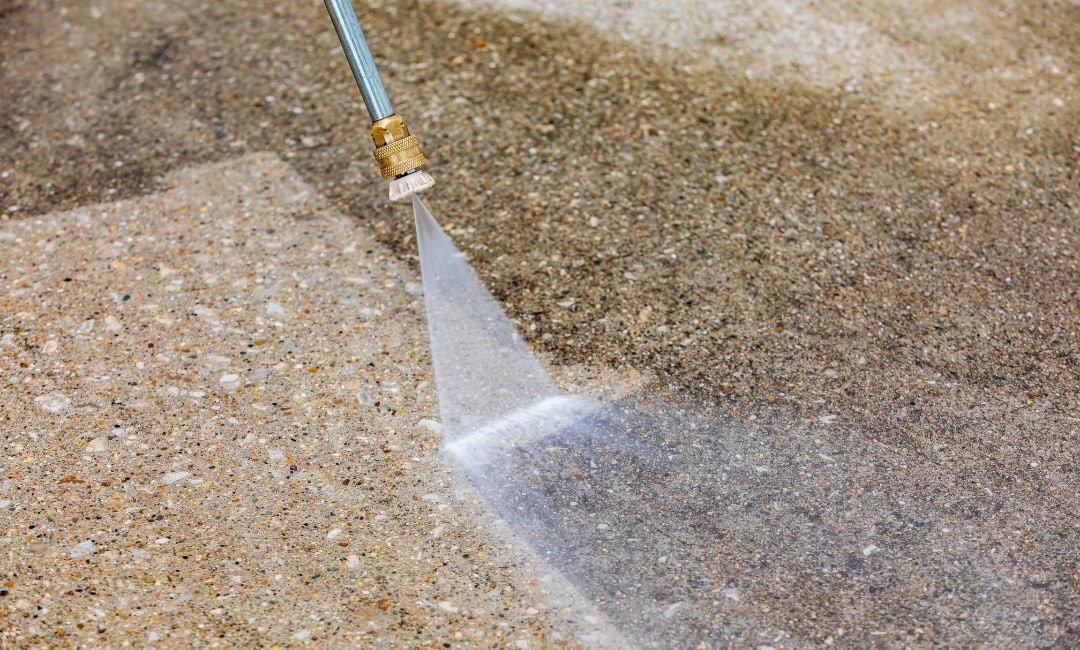
Old oil stains require more aggressive methods because the oil has penetrated deep into the concrete or asphalt. Patience and persistence are your best tools here.
- Step 1: Pre-treat with an absorbent poultice. Mix cat litter or baking soda with a small amount of dish soap or degreaser to create a paste. Spread it over the stain in a thick layer and cover with plastic wrap. Let it sit overnight or up to 24 hours. This draws oil out from below the surface.
- Step 2: Scrape and sweep. Remove the dried poultice with a putty knife and a broom. Much of the stain should lift with it.
- Step 3: Apply a commercial degreaser or driveway cleaner. For stubborn stains, household cleaners often aren’t strong enough. Spray or pour the degreaser over the affected area, let it sit for the recommended time (usually 15 to 30 minutes), then scrub with a stiff brush.
- Step 4: Power wash the surface. Pressure washing helps blast away oil residue that’s embedded in pores and cracks. Use a fan tip attachment and keep the nozzle 8 to 12 inches from the surface to avoid damage.
- Step 5: Repeat the process. Dried oil stains rarely disappear in one treatment. You may need to repeat these steps several times over a few days to see a significant improvement.
Best Household Products and Commercial Degreasers
You don’t always need specialized chemicals to remove oil from your driveway. Many effective methods use products already in your home.
Household Products That Work
- Dish soap is the go-to for most homeowners. Its grease-cutting formula works on driveways just like it works on dirty pans. Dawn and similar brands are particularly effective.
- Baking soda serves double duty as an absorbent and mild abrasive. Pour it directly on the stain, add water to form a paste, and scrub. It’s gentle enough for all driveway surfaces.
- Powdered laundry detergent contains surfactants designed to lift oil and grease from fabric fibers. These same properties help pull stains from porous surfaces. Sprinkle it over the stain, add hot water, and scrub with a stiff-bristle brush.
- Cat litter (the cheap clay kind, not clumping) absorbs oil quickly. Crush it into the stain with your feet to help it soak up oil from deeper in the surface. Let it sit for several hours or overnight.
- Coca-Cola sounds like an old wives’ tale, but the phosphoric acid in cola helps break down oil stains. Pour it over the stain, let it sit overnight, then scrub and rinse. It works best as a pre-treatment before using other cleaners.
- Kitty litter combined with laundry detergent creates a powerful DIY treatment. Cover the stain with kitty litter, spray with water, sprinkle powdered laundry detergent on top, and scrub everything together. Let it sit for a few hours before sweeping and rinsing.
Commercial Degreasers and Specialty Products
When household products fall short, commercial options step up.
- Concrete cleaner and degreaser products (like Zep, Purple Power, or Simple Green) are formulated specifically for porous surfaces. They penetrate deeper than dish soap and break down petroleum-based stains more effectively.
- Trisodium phosphate (TSP) is a heavy-duty cleaner available at any local hardware store. Mix it with water according to package directions and apply to the stain. TSP is highly effective but requires safety precautions like gloves and eye protection.
- Bio-enzymatic cleaners use microorganisms that literally eat oil and convert it to harmless byproducts. These work slowly but are excellent for old oil stains that have resisted other treatments.
- Microbial driveway cleaners operate similarly, using bacteria to digest hydrocarbons over time. Apply them, let the product sit for several hours or overnight, and the microbes do the work.
Products to Avoid
- Paint thinner and other petroleum-based solvents will damage your driveway more than the oil stain itself. They dissolve asphalt binders and can leave you with a crumbling, gooey mess.
- Brake cleaner evaporates too quickly to be effective and contains harsh chemicals that can discolor concrete or damage asphalt surfaces.
- Muriatic acid etches concrete and should only be used as a last resort with proper safety equipment. It’s overkill for most oil stains.
Cleaning Techniques for Concrete, Asphalt, and Pavers
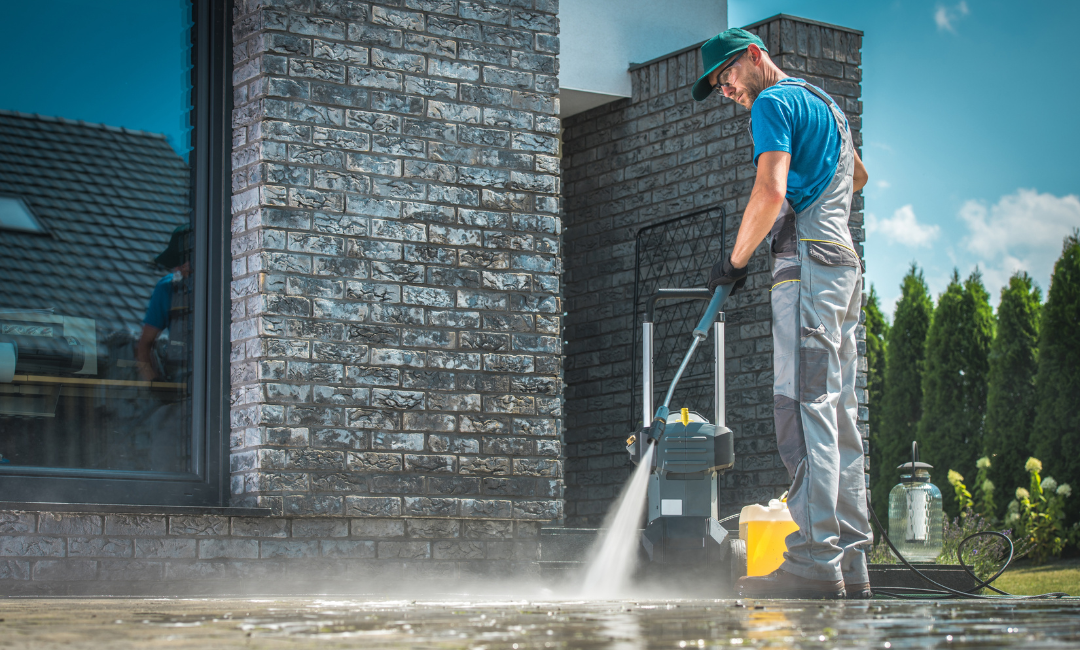
Different driveway materials require different approaches. What works on a concrete driveway might damage asphalt surfaces, and pavers have their own quirks.
Concrete Driveways
Concrete is porous and absorbs oil quickly, but it’s also durable enough to handle aggressive cleaning.
- Best approach: Start with absorbents like cat litter or baking soda to pull up excess oil. Follow with dish soap or powdered laundry detergent and hot water. Scrub with a stiff brush, then rinse with a garden hose.
- For stubborn stains: Apply a concrete cleaner or commercial degreaser. Let it sit for 15 to 30 minutes, scrub thoroughly, then use pressure washing to blast away residue. A pressure washer set to 2,500 to 3,000 PSI works well on concrete.
For really old oil stains, create a poultice with baking soda and acetone. Apply it to the stain, cover with plastic wrap, and let it sit overnight. The acetone helps dissolve the oil while the baking soda absorbs it.
Asphalt Driveways
Asphalt requires a gentler touch because oil actually attacks the binder that holds the material together. Harsh chemicals and high-pressure washing can cause more harm than good.
- Best approach: Absorb fresh spills immediately with kitty litter or an oil-absorbent product. For cleaning, stick to dish soap and warm water with a stiff-bristle brush. Avoid citrus-based cleaners or solvents.
- For stubborn stains: Use a degreaser specifically labeled as safe for asphalt. Apply it, let it sit for the recommended time, then scrub gently. Rinse with a garden hose rather than a pressure washer.
- Critical warning: If you press a screwdriver into an oil stain on asphalt and it sinks in easily, the oil has damaged the binder. No amount of cleaning will fix this. That section needs to be cut out and patched.
- After cleaning: Apply an asphalt sealer to the entire driveway. This protects against future stains and helps camouflage any remaining discoloration.
Paver Driveways
Pavers present unique challenges because oil can seep between joints and stain multiple surfaces at once.
- Best approach: Remove the affected pavers if possible to clean them individually. Soak them in a solution of dish soap and hot water, scrub with a stiff brush, and rinse thoroughly. Clean the sand bed underneath before reinstalling.
- For stains on installed pavers: Cover with cat litter and let it sit overnight to absorb as much oil as possible. Sweep up the litter, then spray with a commercial degreaser. Scrub the surface and the joints between pavers. Rinse with a water hose.
- For stubborn stains: Try a poultice of baking soda and dish soap. Apply a thick layer, cover with plastic, and let it sit for 24 hours. Some pavers may need replacement if the stain has penetrated too deeply.
- After cleaning: Re-sand the joints and consider applying a paver sealer to protect against future oil stains and other stains.
When DIY Works and When You Need Professional Help
Not every oil stain requires a professional, but some situations go beyond what household cleaners and elbow grease can handle.
- DIY Usually Works When:
- The stain is fresh. Oil spills caught within the first 24 hours respond well to absorbents and dish soap. You can usually remove oil completely without specialized equipment.
- The stain is small and isolated. A single drip or small puddle from a parking car is manageable with basic supplies from your garage or local hardware store.
- The surface is concrete. Concrete’s durability means you can use more aggressive scrubbing and pressure washing without worrying about damage.
- You’re dealing with surface stains only. If the oil hasn’t had time to penetrate deeply, DIY methods are often sufficient.
- You have the right tools. A stiff bristle brush, push broom, garden hose, and basic cleaning supplies are all most homeowners need for routine stain removal.
Call a Professional When:
- The stain covers a large area. Oil spills from a major leak or a tipped drain pan can spread across significant portions of your driveway. Professional equipment handles large-scale cleanup more efficiently.
- Old oil stains won’t budge after multiple treatments. If you’ve tried absorbents, degreasers, and pressure washing without improvement, the oil may have penetrated too deeply for DIY removal.
- The oil has damaged the driveway material. Asphalt that feels soft or spongy around the stain needs professional repair. Oil can break down asphalt binders, requiring that section to be cut out and replaced.
- You’re preparing to seal or resurface. Professional cleaning ensures oil residue won’t interfere with asphalt sealer or concrete sealer adhesion.
- The stain is near storm drains or landscaping. Large oil spills can create environmental concerns. Professionals have containment and disposal methods that comply with local regulations.
- Your garage floor is the problem. Indoor oil stains require different ventilation considerations for certain chemicals. Professionals have the equipment to work safely in enclosed spaces.
What Professionals Bring to the Job
Professional driveway cleaning services use industrial-grade degreasers, hot water pressure washing systems, and specialized equipment that most homeowners don’t have access to. They can also assess whether the driveway needs repairs beyond cleaning.
For Fort Lauderdale homeowners dealing with stubborn stains or driveway damage, Sublime Pavers offers paver power clean and seal services that restore your driveway’s curb appeal. Give us a call at (954) 420-6683 for a free assessment.
Prevention Tips to Keep Stains from Coming Back
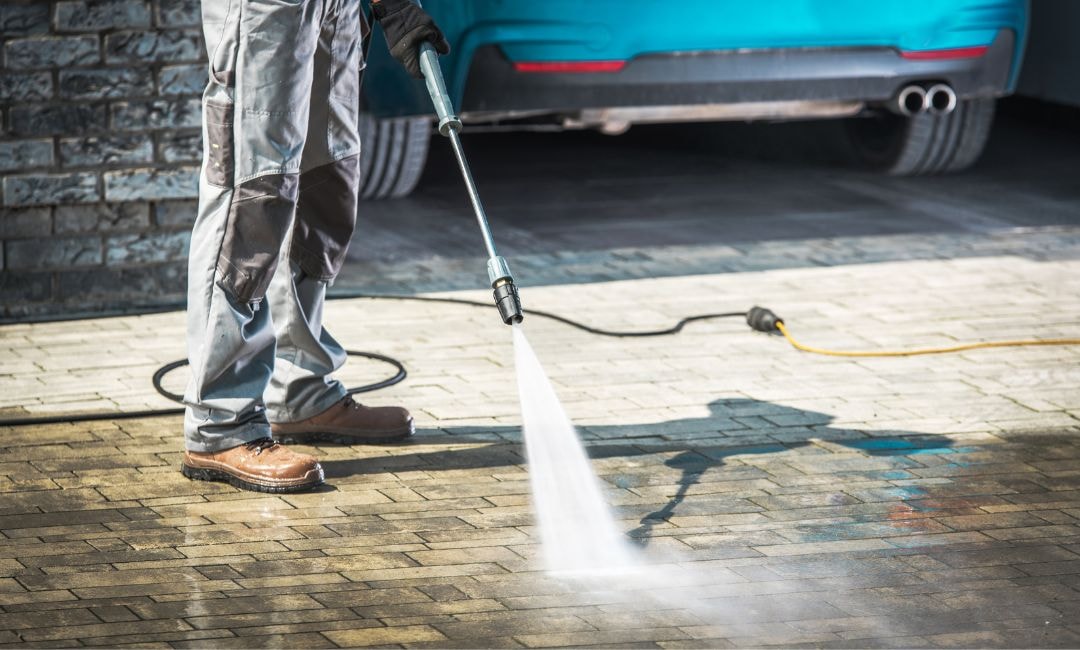
Removing oil stains takes time and effort. Preventing them in the first place is far easier.
Catch Leaks Early
- Check your vehicles monthly. Look under your car for fresh oil spots in the driveway or garage floor. Small leaks are cheap to fix but turn into big stains if ignored.
- Use a drain pan or drip tray. Place one under your car’s engine area if you know it leaks. This simple step can save hours of scrubbing later.
- Address leaks immediately. That “minor” drip adds up fast. A slow leak can deposit enough engine oil to create a permanent stain within a few weeks.
Create a Barrier
- Seal your driveway regularly. Concrete should be sealed every two to five years, and asphalt needs an asphalt sealer every one to three years. Sealing fills pores and creates a protective layer that prevents oil from soaking in.
- Use a garage mat or parking pad. Heavy-duty mats designed for garages and driveways catch drips before they hit the surface. They’re especially useful under older vehicles.
- Apply a stain-resistant treatment. Some sealers are specifically formulated to repel oil and grease. Ask about these options when having your driveway professionally sealed.
Act Fast on Spills
- Keep absorbents on hand. Store a bag of cheap kitty litter or a commercial oil absorbent product in your garage. When spills happen, you can cover them immediately.
- Clean within 24 hours. Fresh spills are dramatically easier to remove than dried oil stains. The longer oil sits, the deeper it penetrates porous surfaces.
- Don’t let small drips accumulate. That faint spot you’ve been ignoring will eventually become a permanent stain. Address it now while it’s still easy.
Maintain Good Habits
- Do oil changes properly. If you change your own oil, use a drain pan that’s larger than you think you need. Spills during oil changes are a leading cause of garage floor and driveway stains.
- Avoid parking leaky vehicles in the same spot. If your car leaks and you can’t fix it immediately, at least rotate parking positions to spread out the drips.
- Keep your driveway clean overall. Regular washing removes dirt, grease, and grime before they build up. A quick spray with a garden hose every few weeks helps maintain your driveway’s appearance and makes spotting new stains easier.
- Schedule periodic deep cleaning. Even without visible stains, annual or bi-annual cleaning with a commercial degreaser removes oil residue you can’t see but that’s slowly degrading your driveway surface.
Restore Your Driveway With Sublime Pavers
Oil stains are frustrating, but they’re rarely permanent if you act quickly and use the right approach. Fresh spills respond to cat litter and dish soap. Old oil stains may need commercial degreasers and pressure washing. And prevention through sealing and leak management keeps stains from returning.
- Fresh oil spills should be absorbed immediately with kitty litter or baking soda
- Dish soap, powdered laundry detergent, and commercial degreasers all work on oil stains
- Concrete can handle aggressive cleaning, while asphalt requires gentler methods
- Call a professional when stains won’t budg,e or the driveway surface is damaged
- Sealing your driveway prevents oil from penetrating porous surfaces
If your driveway needs more than a good scrub, Sublime Pavers can help. We handle paver power clean and seal, driveway restoration, and full paver repair throughout Broward County. Call us at (954) 420-6683 to get your driveway looking like new again.
FAQs
How do you get old oil stains out of driveways?
Old oil stains require a multi-step approach. Start by applying a poultice of cat litter or baking soda mixed with dish soap, then cover it with plastic wrap and let it sit overnight to draw oil from deep within the surface.
Scrape away the dried mixture, apply a commercial degreaser, scrub with a stiff-bristle brush, and finish with pressure washing. Repeat the process several times for stubborn stains. Bio-enzymatic cleaners also work well on dried oil stains because microorganisms slowly digest the petroleum over 24 to 48 hours.
Does Dawn dish soap remove oil from concrete?
Yes, Dawn dish soap is highly effective at removing oil from concrete, especially for fresh spills and light grease stains. Its grease-cutting formula breaks down petroleum-based oils the same way it cuts through cooking grease on dishes.
Pour Dawn directly onto the stain, add hot water, and scrub vigorously with a stiff brush. For older stains, dish soap alone may not be enough. You’ll likely need to combine it with absorbents like baking soda or follow up with a commercial degreaser for complete removal.
Does WD-40 remove oil from a driveway?
WD-40 is not an effective solution for driveway oil stains. While it can loosen some surface grime, WD-40 is itself a petroleum-based product that can leave behind its own residue or even make stains worse on porous surfaces. It also evaporates quickly, giving it little time to work.
You’re better off using dish soap, powdered laundry detergent, or a commercial degreaser specifically designed for concrete or asphalt surfaces. These products actually break down and lift oil rather than just displacing it.
What is the best driveway cleaner for oil stains?
The best cleaner depends on stain severity. For fresh spills, dish soap and hot water work surprisingly well. For moderate stains, trisodium phosphate (TSP) or commercial degreasers like Zep or Purple Power deliver strong results.
For old, set-in stains, bio-enzymatic cleaners that use microorganisms to digest oil are highly effective. These also work on grease stains and gasoline spills. Avoid petroleum-based solvents like paint thinner, which damage driveway surfaces. For most homeowners, a combination of cat litter for absorption followed by a commercial degreaser handles the majority of oil stains.
Does oil permanently stain concrete?
Not necessarily, but timing matters. Fresh oil spills can usually be removed completely with proper cleaning. However, oil that sits for weeks or months penetrates deep into the concrete’s porous surface, making full removal difficult or impossible. Even aggressive cleaning may leave a faint shadow where the stain was.
The good news is you can get rid of most discoloration with repeated treatments, and applying a concrete sealer afterward helps mask any remaining marks. Gasoline stains are typically easier to remove than motor oil because gasoline evaporates faster and doesn’t penetrate as deeply.


