

Thinking about a new pool deck? You want a surface that looks great, feels good underfoot, and stands up to the elements. Many folks wonder about limestone tiles – are they really a smart choice for poolside living, or just a pretty face? We’re here to clear up the confusion.
We will help you figure out if limestone is your pool deck’s perfect match.
Here’s what we’ll cover:
- The real benefits of limestone by the pool.
- The downsides you absolutely need to know.
- Key things to think about before you buy.
- How to keep your limestone looking flawless.
Here at Sublime Pavers, we’ve installed countless pool decks and know what works in South Florida. We aim to help you make the best choice for your outdoor space.
Why Limestone Shines on Your Pool Deck
Picking the right material for your pool deck is a big decision. You want something that looks good, feels good, and stands strong against the sun and splashes. Let’s talk about why limestone tiles could be the perfect material for your pool surrounds.
This natural stone brings a certain elegance that’s hard to beat. Its natural beauty adds a sophisticated touch, making your backyard feel like a high-end resort. It’s an easy way to boost your home’s aesthetic appeal.
Comfort Underfoot: Cool and Safe
Ever stepped on a scorching hot surface on a hot summer day? Ouch! Good news for limestone pool deck owners:
- Cool Underfoot: Limestone doesn’t hold more heat like some other materials. It tends to stay cool underfoot, even in direct sunlight. This means you can walk around your pool area comfortably, no more hopping.
- Slip Resistance: Wet surfaces are a given around any pool. Limestone offers excellent slip resistance due to its inherent natural texture. This makes it a much safer choice than slicker stone surfaces when water is splashing from the pool water.
We’ve seen firsthand how limestone creates a safer and more enjoyable environment for families around the pool.
Unmatched Style and Durability
Limestone, a type of sedimentary rock, brings a timeless charm. Its formation process gives it unique, subtle patterns that can’t be replicated by a manufacturing process.
- Natural Appeal: You get a truly organic, natural feel. The subtle textures and variations mean your limestone pool deck is one-of-a-kind. It offers a sophisticated style that fits well with both classic and modern designs.
- Built to Last: Because it’s a denser material composed mainly of calcium carbonate, limestone is quite durable. It holds up well in high-traffic areas and busy outdoor settings.
For example, we recently completed a large residential project where the homeowner chose limestone pool decking. They wanted something both elegant and durable for their active family. The result was a stunning, long-lasting pool area that perfectly complements their home.
Sublime Pavers specializes in installing these beautiful natural materials, ensuring your limestone creates an outdoor space you’ll love for years.
The Downsides You Absolutely Need to Know
While limestone tiles offer a lot of appeal, it’s crucial to understand their potential drawbacks before you commit. No material is perfect, and limestone has a few considerations you should be aware of, especially for pool decks.
When you’re choosing between natural stone options like limestone, travertine, or even porcelain tiles, you need to weigh everything. Sometimes, what makes limestone beautiful can also be its biggest challenge.
Maintenance and Vulnerability
Limestone, being a natural stone, isn’t as bulletproof as some engineered options.
- Porous Nature: Limestone is a porous stone. This means it can absorb liquids, making it susceptible to staining. Think about spilled drinks, food, or even just dirt tracked onto your pool deck.
- Acid Sensitivity: Since it’s made of calcium carbonate, limestone reacts to acids. This is a big one for pool areas because pool chemicals can be highly acidic. Splashes of chlorinated pool water or cleaning products can etch or damage the surface if not cleaned quickly.
This porous nature means more maintenance and a need for more frequent sealing. Without proper sealing, your limestone pool deck can quickly show wear and tear.
Regular Sealing is a Must
Unlike some other materials, limestone offers less natural resistance to the elements without help.
- Frequent Sealing: You’ll need regular sealing and periodic sealing to protect your investment. This isn’t a one-and-done job; it’s ongoing. We often tell our clients that a limestone pool deck will require more frequent sealing than, say, a concrete paver deck. This protects the stone from stains and chemical damage.
- Cost and Effort: While the initial cost of limestone can be competitive, the long-term maintenance, especially frequent sealing, adds to the overall cost and effort. You want your deck to have an aesthetically pleasing and sophisticated look, but that takes work with limestone.
Consulting with a stone expert is always a smart move to understand the specific needs of your chosen limestone. It helps you manage expectations for keeping your limestone creates a beautiful and functional space for years to come.
Key Things to Think About Before You Buy
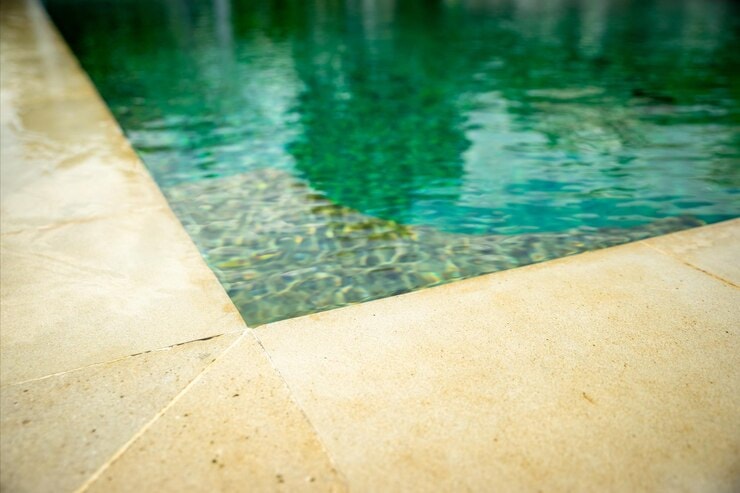
Choosing limestone tiles for your pool deck is a big decision, and it’s not just about looks. Before you invest, we want you to consider a few critical points. These factors will help you decide if limestone is truly the perfect material for your specific needs and lifestyle.
You’ve learned about the allure and the potential challenges. Now, let’s get down to the practicalities that make a real difference in the long run.
Understanding the Investment
It’s not just the sticker price of the limestone itself. You need to look at the whole picture.
- Cost of Maintenance: We’ve touched on more frequent sealing. This isn’t just about the sealant product; it’s also the labor, whether you do it yourself or hire a professional. This ongoing expense is an important consideration for any limestone pool deck.
- Installation Expertise: Installing natural stone like limestone requires skill. You want someone who understands the material, proper drainage, and how to create a durable pool surrounds. Using an experienced installer, like our team at Sublime Pavers, can prevent future headaches and ensure your limestone creates a beautiful and lasting impression.
Considering Your Climate and Use
Your local environment and how you plan to use your pool area greatly influence the best material choice.
- Climate Concerns: In areas with freeze-thaw cycles, limestone can be more vulnerable to cracking if not properly installed and sealed. For us in South Florida, the heat and humidity are our main concerns, making proper sealing against moisture and sun damage crucial.
- Traffic and Activity: Is your pool deck a quiet oasis or a lively hub with kids and pets? High-traffic areas might show wear faster on less dense limestone. Consider how much foot traffic your wet areas will see.
- Pool Chemical Use: If you use strong pool chemicals regularly, you must be extra vigilant about splashes on your limestone pool deck. Immediate rinsing can prevent etching and damage to the surface.
Comparing Limestone to Other Options
Don’t buy without looking at what else is out there.
- Travertine vs. Limestone: Many people confuse limestone and limestone travertine. While similar, travertine is often considered even more heat resistant and naturally has a more textured, sometimes pitted, surface, which can enhance slip resistance. Both are excellent natural materials, but their subtle differences matter for pool decks.
- Porcelain Tiles & Other Materials: Porcelain tiles, for example, are less porous and require less sealing, making them very low maintenance. However, they may not offer the same natural feel or cool-underfoot properties as limestone. Marble is another natural stone, but it often requires even more delicate care.
Ultimately, picking the right tiles for around the pool means balancing aesthetic appeal, comfort, safety, and long-term care. We can help you analyze these key considerations and make a choice that you’ll be happy with for years to come.
Keep Your Limestone Looking Flawless
You’ve invested in a beautiful limestone pool deck, and now you want to keep it looking its best. The good news is, with the right approach, maintaining that sophisticated look isn’t a chore. It’s about consistent, simple steps that protect your natural stone and preserve its aesthetic appeal.
Think of it as giving your limestone pool deck a little regular TLC. This ensures it continues to be a stunning feature in your outdoor spaces.
The Sealing Imperative
This is arguably the most critical step for any limestone pool deck.
- Regular Sealing: Because limestone is a porous material, proper sealing is non-negotiable. We recommend periodic sealing to create a barrier against moisture, stains, and the harsh effects of pool chemicals and direct sunlight. This prevents liquids from soaking into the stone, making spills much easier to clean up.
- Choosing the Right Sealant: You need a high-quality, penetrating sealer specifically designed for natural stone and outdoor use. We can recommend top-tier products that offer long-lasting protection for your limestone tiles.
Pro tip: Test a small, inconspicuous area first to see how the sealant affects the overall appearance of your limestone.
Cleaning and Care Best Practices

Even with sealing, regular cleaning is vital.
- Gentle Cleaning: Avoid harsh, acidic cleaners. Remember, limestone reacts to acids (calcium carbonate!). Use a pH-neutral cleaner specifically made for natural stone. For everyday dirt, a soft brush and water are often enough.
- Address Spills Immediately: This is where the sealant really pays off. If pool water with chemicals or a spilled drink lands on your limestone pool deck, wipe it up as soon as possible. Don’t let it sit and soak in, even if it’s sealed.
- Soft Washing, Not Pressure Washing: High-pressure washing can damage the surface of natural materials like limestone. If you need a deeper clean, opt for soft washing or professional stone cleaning services that understand how to handle sensitive outdoor settings.
Maintaining your limestone creates a long-lasting, beautiful surface. While it might require more frequent sealing than porcelain tiles, the payoff is a unique, elegant pool area that other materials simply can’t replicate. Our team at Sublime Pavers often guides low-maintenance techniques and can even offer maintenance services to keep your limestone looking flawless year after year.
Your Dream Pool Deck, Perfected with Sublime Pavers
Choosing your pool deck material involves weighing beauty against upkeep. While limestone tiles bring undeniable elegance and keep things cool, they do ask for some love back. Knowing these ins and outs helps you make a truly informed decision.
Here are your key takeaways:
- Limestone offers natural beauty and stays cool underfoot.
- It provides good slip resistance for wet surfaces.
- Limestone needs frequent sealing due to its porous nature.
- Acids, like those in pool chemicals, can damage it.
- Proper sealing and gentle cleaning are essential for long-term beauty.
At Sublime Pavers, we know natural materials like limestone inside and out. We help you pick the right tiles and install them so your limestone creates the stunning, lasting pool area you’ve always wanted.
FAQs
Is limestone good for pool decking?
Yes, limestone can be a great choice for pool decking. It offers an attractive appearance, stays cool underfoot, and is naturally slip-resistant, making it safer for wet surfaces around the pool.
Can you use limestone tiles in a pool?
No, limestone tiles are generally not suitable for direct use inside a pool (e.g., as liner tiles). They are best for pool decks and pool coping around the edge, not constantly submerged interior spaces of the pool itself, due to their porous nature and reaction to pool chemicals.
What is the best tile for a pool deck?
The “best” tile depends on your priorities. For a natural feel and elegant look that doesn’t retain heat, both limestone and travertine are top contenders. For minimal maintenance, porcelain might be better. The best choice will blend seamlessly with your outdoor design.
What are the disadvantages of limestone tiles?
Limestone’s main disadvantages include its porous nature, requiring frequent sealing to prevent stains and damage from pool chemicals. It also needs gentle cleaning as it reacts to acids, and it might require more maintenance than some other materials.


