

Notice those uneven pavers tripping you up? Or maybe weeds are winning the battle in the joints? It’s frustrating when your once-perfect patio or driveway starts looking tired. Before you budget for a total cost, let’s talk repair. Knowing the costs can save you serious money.
Here’s what we cover:
- Typical patio repair costs: Leveling, replacing cracks, re-sanding, sealing, cleaning, and more.
- Root causes: Why pavers shift, crack, or get grimy.
- Prevention tips: Keeping your hardscaping looking great.
Based in Fort Lauderdale, Sublime Pavers specializes in bringing pavers back to life. We tackle everything from simple cleaning to complex leveling; you get quality results every time. Our team provides clear quotes for all paver repair needs.
Types of Pavers Repair Costs: What to Expect
| Repair Type | Average Cost (per sq ft) | Common Causes | Prevention |
|---|---|---|---|
| Leveling/Foundation Repair | $3 – $25+ | Poor base prep/compaction, inadequate drainage, soil settlement, tree roots | Proper base depth & compaction, good drainage, edge restraints |
| Broken/Cracked Replacement | $7 – $30 (plus paver cost) | Heavy impacts, freeze-thaw cycles, installation flaws, pressure from sinking | Use quality pavers, proper install, sealing, avoid impacts |
| Cleaning, Sanding & Sealing | $1.50 – $3.25 | Dirt/grime, stains, UV fading, joint sand loss allowing weeds/moss | Regular cleaning, spot treat stains, periodic re-sand & seal |
| Edge Restraint & Drainage | Varies (Labor + Leveling) | Improperly installed/failed edges, poor grading, blocked drainage | Correct edge install, proper slope, keep drains clear |
| Weed, Moss & Color Issues | (Included in Clean/Seal) | Organic matter in joints, UV exposure, lack of sealing | Polymeric sand, regular cleaning, sealing |
Seeing your beautiful paver patio or driveway develop problems like cracks, sinking spots, or weeds is disappointing. The good news? Repair is often much less expensive than a full replacement. Costs vary based on the issue, materials, and job size, but understanding the typical ranges helps you budget wisely.
Let’s break down common paver repairs, their average patio costs, why they happen, and how you might prevent them.
Fixing Foundation & Leveling Issues (Sunken or Uneven Pavers)
- The Problem: Pavers settling, creating low spots, uneven surfaces, or tripping hazards.
- Average Cost: Typically $3 to $25 per square foot. Methods like mudjacking ($3-$8/sq ft) or poly-jacking ($5-$25/sq ft) lift concrete slabs, but paver leveling often involves resetting the affected area. Minimum charges ($750+) often apply for small jobs.
- Why It Happens: It usually boils down to a weak foundation. Causes include poor initial base compaction, insufficient base depth (walkways need less than driveways), soil settlement, water erosion under pavers (poor drainage), heavy loads, or even tree roots pushing things up.
- Prevention: A solid start prevents future headaches. This means proper base excavation, using the right base material depth, thorough compaction in layers, installing edge restraints, and ensuring water drains away from the pavers.
- Pro Tip: For driveways expecting vehicle traffic, a deeper, well-compacted base (e.g., 8+ inches) is non-negotiable compared to a patio (e.g., 4-6 inches).
- Sublime Pavers Approach: We build paver bases right the first time. If you inherited a sinking issue, our team expertly lifts, re-bases, and re-levels pavers for a lasting fix.
Replacing Broken or Cracked Pavers
- The Problem: Individual pavers suffering cracks, chips, or breaks.
- Average Cost: Repair costs involving replacement usually fall within $7 to $30 per square foot, but the type of paver significantly impacts this (basic concrete pavers are cheaper than natural stone patio). Simple crack filling might be less ($8-$11/sq ft). Remember, material cost ($2-$30+/sq ft) adds up.
- Why It Happens: Direct heavy impacts, freeze-thaw cycles expanding moisture within the paver, pressure from uneven sinking nearby, sometimes manufacturing defects, or using pavers not rated for the load (like thin patio pavers on a driveway).
- Prevention: Choose quality pavers suitable for the application. Ensure proper installation with adequate base support. Sealing adds a protective layer against weathering. Avoid dropping heavy items.
- Sublime Pavers Approach: We source matching pavers whenever possible and meticulously replace damaged units, integrating them seamlessly with the surrounding area.
Cleaning, Re-sanding, and Sealing

- The Problem: Grime, stains, faded color, weeds/moss in joints, or loose pavers due to eroded joint sand.
- Average Cost: Often bundled together, expect $1.50 to $3.25 per square foot. This includes pressure washing, re-filling joints with polymeric sand, and applying sealant. Standalone cleaning is cheaper ($0.25-$0.80/sq ft). Minimum project fees apply.
- Why It Happens: Neglect. Dirt accumulates, spills stain porous surfaces, UV rays fade color, wind and rain wash sand from joints, allowing weeds/moss to grow and pavers to shift.
- Prevention: Simple maintenance works wonders.
- Sweep regularly.
- Clean spills quickly.
- Re-sand joints and reseal every 2-5 years (check sealant lifespan).
- Sublime Pavers Approach: Our Power Clean & Seal service revitalizes pavers. We use high-quality polymeric sand to stabilize joints and premium sealants to protect against stains, weeds, and fading while enhancing color.
Edge Restraint & Drainage Problems
- The Problem: Pavers shifting outwards at the edges, or water pooling on the surface.
- Average Cost: Difficult to determine a final price per square foot. Edge restraint repair involves labor costs to reset edges. Drainage often requires re-leveling ($3-$25/sq ft) or installing new drainage solutions, which can be more complex.
- Why It Happens: Edge restraints fail due to improper installation, frost heave, or damage, letting pavers spread. Poor initial grading or clogged landscape drains cause water to sit and potentially erode the base.
- Prevention: Use sturdy edge restraints installed correctly from the start. Ensure the paver area has a slight slope (1/4 inch per foot) for runoff. Keep drainage paths clear.
- Sublime Pavers Approach: We install robust edge restraints and design for proper drainage in all new installations. We can also diagnose and correct existing edge restraint or water pooling issues.
Weed, Moss, and Color Issues
- The Problem: Unwanted growth sprouting between pavers; colors looking dull or faded.
- Average Cost: These are typically addressed during Cleaning & Sealing ($1.50-$3.25/sq ft). Specific stains might need targeted treatment.
- Why It Happens: Organic debris and washed-out sand create a home for weeds/moss. Color fades from sun exposure and general wear.
- Prevention: Use polymeric sand in joints (it hardens to deter growth). Clean regularly. Seal pavers to inhibit growth and enhance/protect color.
- Sublime Pavers Approach: Our cleaning removes existing growth, and our sealing service helps prevent recurrence while restoring color vibrancy.
Understanding these factors gives you a clearer picture of potential paver repair costs. Addressing issues early often prevents them from becoming bigger, more expensive problems down the road.
Why Pavers Go Wrong: The Root Causes

Pavers look fantastic and last a long time when installed correctly. However, they are not completely immune to problems. Seeing them shift, crack, or get covered in grime is frustrating. Knowing why these issues happen is key to fixing them properly and preventing them in the future.
Let’s dig into the main reasons your pavers might be giving you trouble.
Why Pavers Shift and Sink
That uneven surface causing trips or puddles? It usually points back to the foundation.
- Bad Base Prep: This is the BIGGEST culprit. If the gravel base underneath your pavers wasn’t deep enough for the load (driveways need more than concrete patios) or wasn’t compacted tightly in layers, it creates a weak foundation. Think building on soft sand versus solid rock. Over time, under weight and weather, it settles unevenly.
- Water Woes: Poor drainage is another major factor. Water pooling on or around pavers can seep down and wash away the base material and joint sand. This erosion creates voids, leading pavers to sink or shift. Freeze-thaw cycles make this worse.
- Failing Edges: Those restraints around the border aren’t just decorative. They lock the paver field together. If they were installed poorly, are damaged, or are the wrong type, they can fail, letting pavers spread outwards like unzipped luggage.
- Other Factors: Sometimes, natural soil settlement beneath the base contributes. Aggressive tree roots pushing upwards can also cause localized lifting and shifting.
Sublime Pavers’ Prevention
Our installation process focuses heavily on meticulous base preparation. We excavate properly, use the right depth of quality base material for your project’s needs, and compact it thoroughly in stages. We also install robust edge restraints designed to hold everything firmly in place.
Why Pavers Crack
Cracked pavers ruin the look and can worsen over time. Here’s why they break:
- Unstable Foundation: Just like sinking, an uneven or poorly compacted base creates stress points. When weight is applied (even just walking), pavers flex slightly. If the support underneath isn’t uniform, individual pavers can crack under the strain.
- Heavy Impacts & Loads: Pavers have limits. Dropping something heavy, driving vehicles over pavers not designed for that load, or even pressure from heavy patio furniture legs can cause cracks or chips.
- Freeze-Thaw Cycles: Water is powerful. It seeps into the tiny pores of pavers. When temperatures drop below freezing, that water expands forcefully, potentially cracking the paver from the inside out. This is common in colder climates, but can affect porous materials anywhere moisture is present.
- Lack of Joint Stability: Regular sand in joints offers little structural support. Without stabilized joints (using polymeric sand that hardens), pavers can shift slightly against each other under load, creating stress that leads to chipping or cracking at the edges.
Sublime Pavers’ Approach
We use high-quality pavers suited for their intended use. During major or minor patio repairs and installations, applying polymeric sand helps lock pavers together, increasing stability and reducing stress-related cracking.
Why Pavers Get Grimy, Stained, or Weedy
Surface issues make pavers look old and neglected.
- Porosity & Stains: Most paving stones (especially concrete and some natural stones) are porous. Without sealant, spills like oil, grease, fertilizer, drinks, or even tannins from wet leaves soak in, leaving ugly stains.
- Empty Joints: Wind and rain easily wash away loose joint sand. This creates the perfect little gaps for dirt to collect and weed seeds or moss spores to take root. Soon, you have unwanted greenery sprouting everywhere.
- Lingering Moisture: Poor drainage doesn’t just cause sinking; it encourages surface growth. Shaded, damp areas are prime real estate for mold, mildew, and algae, making pavers slippery and discolored.
- Sun Exposure: Just like anything left outdoors, pavers fade over time due to UV rays. Some colors and materials are more susceptible than others.
- Dirt Buildup: Simple neglect allows everyday dirt and grime to accumulate, dulling the appearance.
Sublime Pavers’ Solution
Our Power Clean & Seal service directly tackles these surface problems. Cleaning removes existing grime, stains, and growth. Re-sanding with polymeric sand fills joints securely. Applying a quality sealant creates a protective barrier, making it harder for stains to penetrate, inhibiting weed growth, and often enhancing faded color with UV protection.
Understanding these root causes helps you see why certain repairs are needed and how proper installation and maintenance are your best defense against future paver problems.
Keep Your Pavers Perfect: Prevention Tips
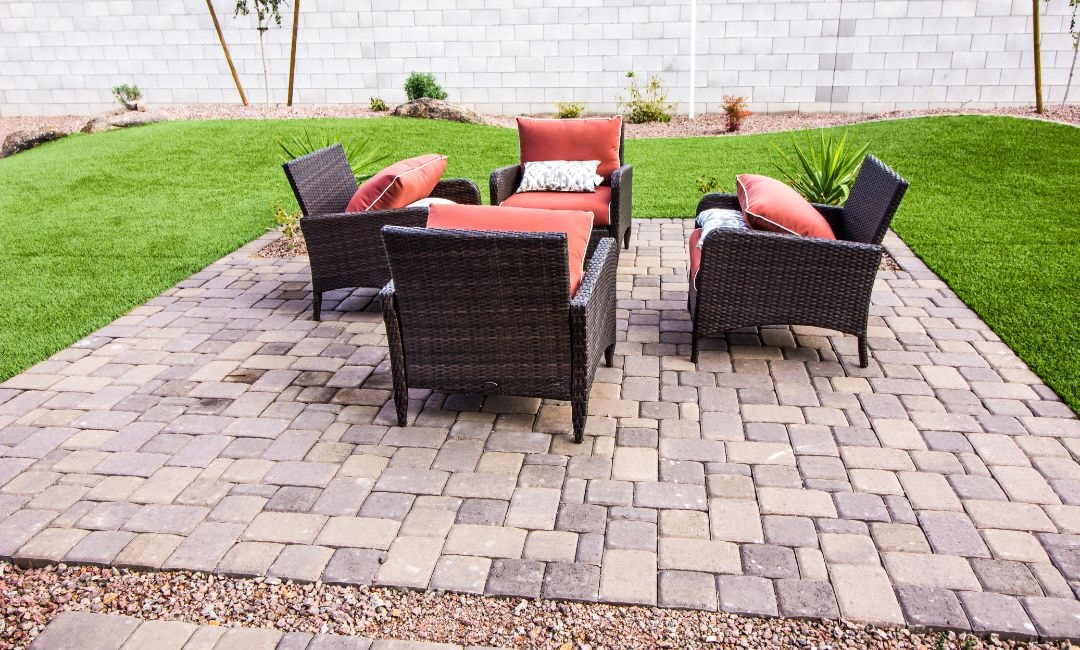
An ounce of prevention is worth a pound of cure, right? This definitely applies to your paver surfaces. Now that you understand the common reasons pavers shift, crack, or get grimy, you can take proactive steps. Preventing problems is almost always easier and cheaper than fixing them later.
Here are practical tips to keep your pavers looking great for years:
Protect Your Paver Foundation
Stopping sinking and shifting starts from the ground up.
- Start Right (or Hire Right): If you’re installing new pavers, the most critical step is ensuring a deep, well-compacted base suitable for how you’ll use the area. Hire experienced installers who don’t cut corners here.
- Sublime Pavers’ Promise: We stand behind our installations with workmanship guarantees because we build bases designed to last.
- Manage Water Flow: Water is a primary enemy of paver bases. Keep your gutters clean. Make sure downspouts discharge away from paver areas, not onto them. Ensure the surrounding landscape slopes slightly away.
- Inspect Edges: Periodically walk the perimeter. Look for any signs that the edge restraints are damaged, loose, or shifting. Fixing a small edge issue early prevents wider problems.
Defend Against Cracks and Damage
Keep the paver surface itself intact and stable.
- Seal Your Pavers: Think of sealant as armor. It significantly reduces water absorption, which minimizes cracking caused by freeze-thaw cycles. It also protects against stains and UV fading.
- Pro Tip: Seal new pavers after installation (allow proper curing time) and re-seal every 2-5 years, depending on the sealant type and traffic. Ask Sublime Pavers about our professional sealing services.
- Use Furniture Pads: Simple felt or rubber pads under the legs of heavy patio furniture prevent scratches and concentrate pressure that could chip or crack pavers over time.
- Keep Joints Stabilized: Ensure joints are filled with polymeric sand. Unlike regular sand, it hardens, locking pavers together, providing stability, and resisting erosion that leads to loose pavers and weed growth.
Maintain a Clean and Vibrant Surface
Stop grime, stains, and weeds before they take hold.
- Sweep Often, Clean Spills Fast: Regularly sweeping removes abrasive dirt and organic debris (like leaves) that can stain. Address spills immediately before they soak in and become permanent reminders.
- Seal Regularly (Yes, Again!): It’s worth repeating because it helps so much. Concrete sealing makes the surface less porous, resisting stains from oil, food, or rust. It also inhibits weed/moss growth and protects the color from UV rays.
- Sublime Pavers’ Service: Our professional cleaning and sealing handles this critical maintenance task effectively.
- Tackle Weeds Early: If weeds or moss appear despite polymeric sand and paver sealing, pull them immediately before their roots establish. Use a paver-safe weed killer if needed for stubborn spots.
Taking these simple, proactive steps helps preserve the beauty, function, and value of your paver investment. A little regular attention goes a long way in avoiding costly repairs down the road.
Ready to Keep Your Pavers Perfect with Sublime Pavers?
Facing sinking patio roofs or issues near a retaining wall? Damaged interlocking pavers don’t mean breaking the bank. Understanding the estimated cost for fixes (sometimes just needing a good pressure washer clean and re-sand) versus needing to pour concrete or choose stamped concrete alternatives helps you manage these attractive materials wisely. Keep these key points in mind.
Keep these key points in mind for a lasting, beautiful hardscape.
- Paver repair costs vary widely ($1.50 – $30+/sq ft) depending on the issue.
- Poor base preparation is the #1 cause of sinking and shifting pavers.
- Regular sealing is crucial for protecting against stains, freeze-thaw cracks, weeds, and color fading.
- Proactive maintenance, like cleaning and resanding, prevents bigger, costlier problems.
- Fixing small issues early often saves significant money compared to major repairs later.
From simple cleaning and sealing to complex leveling and paver replacement, Sublime Pavers handles all types of paver repairs across South Florida. Our experienced team focuses on quality work backed by solid guarantees. Ready to restore your pavers? Get your free quote today!
Patio Repair Cost FAQs
How much is paver repair?
Paver repair costs vary quite a bit. Generally, you might see prices ranging from $7 to $30 per square foot, with typical projects costing between $700 and $2,500. The exact amount depends heavily on the type of damage (like leveling vs. replacing cracks), the paver material, your location, and the job size. The best way to know is to get a specific quote.
How much does it cost to restore pavers?
Paver restoration, which usually involves deep cleaning, replacing joint sand (re-sanding), and applying sealant, typically costs $1.50 to $3.25 per square foot. Keep in mind that many companies have minimum project fees (around $750). Restoration revitalizes the look of tired pavers and protects them going forward.
Can pavers be repaired?
Yes, absolutely! This is one of the biggest advantages of pavers compared to a solid concrete slab. Individual pavers can be lifted to fix the base underneath, replaced if cracked, or re-leveled if they’ve sunk. Joints can be refilled, and the surface can be cleaned and sealed, often avoiding a full replacement.
How much to rip up pavers?
Removing existing pavers usually costs $1 to $2 per square foot, sometimes more, depending on complexity and access. This typically covers the labor for demolition. You also need to account for disposal fees for the old material, which can add significant cost. Repairing is often much more cost-effective than a full tear-out and replacement.


