

You’ve seen those charming gravel-looking driveways that somehow stay put. They’re called tar and chip driveways, and they cost significantly less than asphalt or concrete—but how much less?
Most homeowners get sticker shock when quotes come back wildly different. One contractor says $2 per square foot. Another says $5. Who’s right? Here’s what you need to know:
- What tar and chip driveways actually cost per square foot
- Hidden expenses most contractors won’t mention upfront
- How size, location, and prep work affect your final bill
- Tar and chip vs. asphalt and concrete: real cost comparison
- Ways to cut costs without compromising quality
We work with South Florida homeowners every week who are weighing their driveway options. While we specialize in paver installations at Sublime Pavers, we know budget matters—and tar and chip can be a solid choice for the right property.
What Tar and Chip Driveways Actually Cost Per Square Foot
You’re looking at $2 to $5 per square foot for a tar and chip driveway in 2025. Most contractors charge around $3 per square foot on average, but that number shifts based on where you live and what your property needs.
Here’s the reality: your neighbor might pay $2.50 per square foot while you’re quoted $4.75 for the same size driveway.
Why the gap? Let’s break it down.
Single Layer vs. Double Seal Pricing
A single chip seal runs $2 to $3 per square foot, while a double chip seal costs $3 to $5 per square foot. That second layer adds durability—think of it as insurance for high-traffic areas or driveways that see heavy vehicles.
- Single seal works fine if you’re just looking for a budget-friendly upgrade over gravel.
- Double seal makes sense when you need something that’ll hold up to daily wear without breaking down.
If you’ve got an existing driveway in decent shape, resurfacing with tar and chip costs $1 to $3 per square foot—significantly less than starting from scratch.
What Actually Drives the Price Up
Material costs aren’t the whole story. Labor typically accounts for 50% of your total tar and chip driveway price, and that percentage climbs if your property needs extra prep work.
Here’s what pushes costs higher:
- Site preparation: Grading and leveling add $5 to $8 per square foot
- Excavation work: Clearing and removing old material runs $1 to $5 per square foot
- Stone type: Crushed granite and limestone cost $0.45 to $2 per square foot, but lava rock or quartz can hit $11 per square foot
- Complex shapes: Curves and custom designs eat up more labor hours
- Permits: Building permits run $500 to $2,000 if your driveway connects to a public road
Location matters more than you’d think. Contractors in South Florida charge different rates than those working rural properties up north. If you’re far from a tar and chip specialist, travel costs get tacked on.
Real-World Cost Examples
Let’s translate square footage pricing into actual numbers you can use:
| Driveway Size | Single Seal Cost | Double Seal Cost |
|---|---|---|
| 12′ x 24′ (288 sq ft) | $576 – $864 | $864 – $1,440 |
| 20′ x 20′ (400 sq ft) | $800 – $1,200 | $1,200 – $2,000 |
| 24′ x 24′ (576 sq ft) | $1,152 – $1,728 | $1,728 – $2,880 |
Most homeowners pay between $700 and $2,900 total for a standard two-car tar and chip driveway. That’s roughly 30% to 40% less than asphalt and about twice as much as plain gravel.
The sweet spot? Tar and chip sits comfortably between gravel ($1 to $3 per square foot) and asphalt ($7 to $15 per square foot).
One thing to remember: these prices assume your base is in decent shape. If your existing driveway is cracked or uneven, factor in repair costs before the tar and chip goes down. Skipping that step just means you’ll be redoing the whole thing sooner than you’d like.
Pro tip: Get at least three quotes from contractors who actually specialize in tar and chip. Not all asphalt companies know how to handle the hot liquid asphalt application properly, and a botched job means loose stones and premature wear.
Hidden Expenses Most Contractors Won’t Mention Upfront
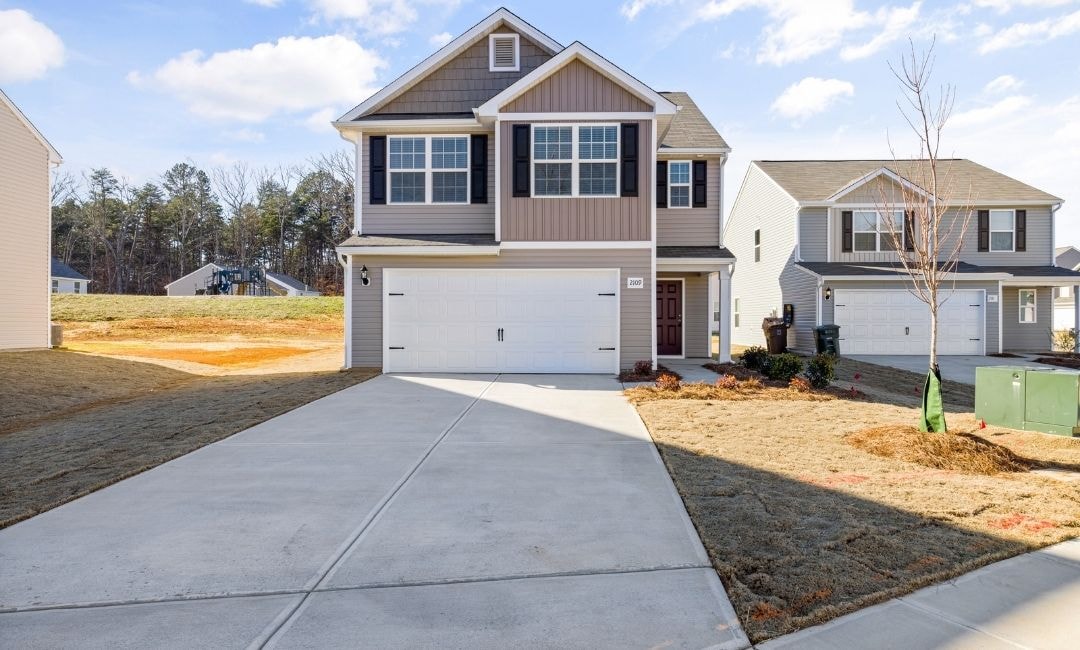
The quote says $3 per square foot. You sign. Then the invoice arrives with an extra $2,000 tacked on.
Sound familiar? Tar and chip paving comes with hidden costs that contractors conveniently forget to mention during the estimate. Here’s what actually gets added to your bill.
The Base Layer Nobody Talks About
Most contractors quote you for the chip seal paving itself—but they assume you’ve got a solid foundation underneath. If you don’t, that’s where things get expensive.
Base preparation is the silent budget killer. Your existing gravel driveway might look fine on the surface, but if it’s unstable or poorly graded, you’ll need a proper base before any liquid asphalt emulsion goes down.
Here’s what “base work” actually means in dollars:
- Removing old material: $500 to $2,000 for hauling away deteriorated asphalt or loose gravel
- Adding new base rock: $1 to $3 per square foot for crushed stone
- Compaction: $200 to $800, depending on driveway size
Some contractors bundle this into their quote. Others don’t mention it until they arrive and “discover” the problem. Always ask: “Does this price include base preparation, or is that separate?”
Drainage Work That Suddenly Becomes “Essential”
Water pooling on your driveway? That’s not just annoying—it’ll wreck your tar and chip installation within a year or two.
Proper drainage requires your driveway to slope away from buildings. If it doesn’t, you’re looking at grading work that adds $3 to $8 per square foot to your total. Some properties need French drains or catch basins, which run another $1,000 to $3,000.
Contractors spot drainage issues during site visits but often leave them out of initial quotes. They’ll say something like, “We can work around it,” then explain why that’s impossible once work begins.
Pro tip: Before getting quotes, check if water pools anywhere on your current driveway after heavy rain. If it does, mention it upfront and ask for drainage solutions to be included in the estimate.
Material Upgrades You Didn’t Know You Wanted
That $3 per square foot quote? It’s based on basic aggregate—usually whatever crushed stone the contractor has on hand.
Want a specific color to match your home? That’s an upgrade. Prefer pea gravel for a smoother texture? Another upgrade. These “small” changes add $0.50 to $3 per square foot, depending on availability.
Here’s the kicker: some stone types aren’t locally available. If your contractor needs to truck in specialty aggregate from 100+ miles away, delivery fees alone can add $500 to $1,500 to your bill.
The Permit That “Might” Be Required
Permits cost $500 to $2,000 on average, but here’s the problem: contractors often tell you permits “probably aren’t needed” without actually checking with your municipality.
Then the inspector shows up mid-project and shuts everything down until you get proper approval. You’re stuck paying permit fees plus additional contractor time for the delay.
Municipal requirements vary wildly. Some cities require permits for any driveway work connecting to public roads. Others only care if you’re changing the driveway’s footprint. Fort Lauderdale, Plantation, and Weston each have different rules—don’t assume your contractor knows them all.
Always verify permit requirements yourself or get written confirmation that they’re included in the quote.
Edge Restraints and Finishing Touches
Tar and chip needs something to keep it from spreading into your lawn. That means edging—and it’s rarely in the base quote.
Options include:
- Stone or concrete borders: $5 to $15 per linear foot
- Metal edging: $3 to $8 per linear foot
- Belgian block: $20 to $40 per linear foot
You’re looking at an extra $300 to $2,000, depending on your driveway’s perimeter and the edging material you choose.
Some contractors use the existing grass line as an “edge,” but that looks sloppy within months as stones migrate into landscaping. If you want a clean, professional finish, budget for proper restraints.
Repair Work on “Good Enough” Surfaces
Contractors love the phrase “your existing surface is good enough.” Translation: they’ll install tar and chip over whatever you’ve got, even if it’s cracked or uneven.
The result? Your new chip and seal driveway develops the same cracks and dips within a year.
Proper prep means patching and repairing before chip installation begins. That costs extra—usually $300 to $1,500, depending on damage severity. But skipping it guarantees you’ll be calling for repairs sooner than expected.
If you’ve got an asphalt driveway with significant cracking, some contractors recommend a fresh asphalt overlay before applying tar and chip. That’s another $2 to $4 per square foot.
Snow Removal Damage (If You’re in Cold Climates)
This doesn’t apply to South Florida properties, but it’s worth mentioning if you’re researching for family or investment properties up north.
Snowplows destroy tar and chip surfaces if operators aren’t careful. The blade catches stones and rips them off the asphalt base. Repairs run $200 to $800 per season, depending on damage.
Some contractors sell “plow-proof” double seal applications, but even those aren’t guaranteed. Factor in potential seasonal repair costs if you’re in snow country.
The “While We’re Here” Add-Ons
Once equipment arrives, contractors often suggest additional work: “We can seal your walkway for just $500 more since the crew’s already here.”
These aren’t scams—the labor costs genuinely drop when equipment’s on-site. But they’re expenses you didn’t plan for. Set a firm budget before work starts and stick to it unless something genuinely urgent comes up.
How Size, Location, and Prep Work Affect Your Final Bill
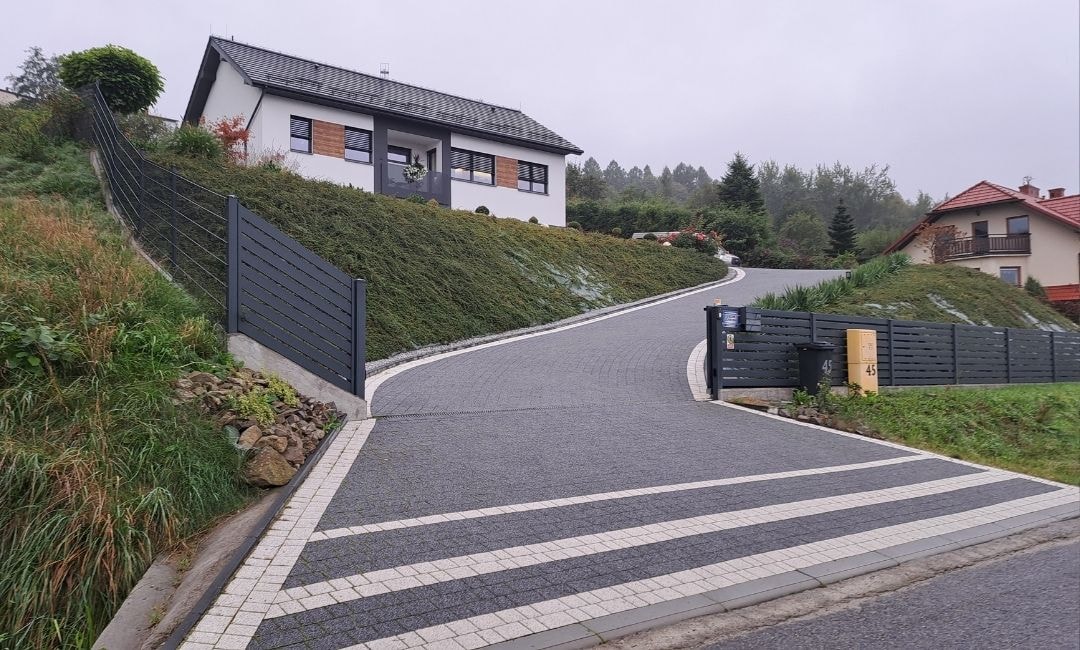
Three factors control whether you’re paying $1,500 or $5,000 for the same driveway surface: how big it is, where it sits, and what condition it’s in before work begins.
Let’s break down exactly how each variable changes your bottom line.
Driveway Size: Where the Math Gets Weird
You’d think bigger driveways cost more per square foot, right? Wrong.
Smaller driveways actually cost more per square foot because of mobilization fees. Getting a tar and chip crew on-site costs roughly the same whether they’re paving 200 square feet or 1,000 square feet.
Equipment rental, asphalt heating, crew travel—these fixed costs get spread across your total square footage. On a 200-square-foot driveway, that might add $2 per square foot. On a 1,000-square-foot project, it’s just $0.40 per square foot.
Here’s how average cost ranges shift with size:
| Size | Cost Per Sq Ft | Total Cost Range |
|---|---|---|
| Small (200-400 sq ft) | $4-$5 | $800-$2,000 |
| Medium (400-600 sq ft) | $3-$4 | $1,200-$2,400 |
| Large (600-1,000 sq ft) | $2-$3 | $1,200-$3,000 |
Notice how the per-square-foot price drops as size increases? That’s mobilization costs at work.
Curved or irregular shapes add another 10% to 20% to labor costs. Straight driveways are faster to pave. Complex layouts with circles, angles, or multiple sections require more precision work—and precision costs money.
Location: It’s Not Just About Geography
Where your property sits impacts pricing in ways most homeowners never consider.
Urban vs. rural makes a difference. Properties near major cities typically pay more for tar and chip paving because labor costs run higher. But remote rural properties can also pay more due to increased travel time and distance from material suppliers.
The sweet spot? Suburban areas within 30 miles of a contractor’s home base.
If you’re in Broward County—covering areas like Davie, Sunrise, Cooper City, or Pembroke Pines—you’ve got decent contractor availability. But if your property’s tucked away in Southwest Ranches or western Weston, expect quotes to edge higher due to access challenges.
Site accessibility is huge. Can an asphalt truck easily reach your driveway? Or does equipment need to navigate tight corners, low-hanging trees, or narrow residential streets?
Difficult access adds:
- $200 to $500 for specialized equipment maneuvering
- $300 to $800 if stone needs wheelbarrowing from the street to the driveway
- Extra labor hours charged at $50 to $100 per hour
Properties with steep slopes or hillside driveways pay premium rates—sometimes 25% to 40% more than flat installations. The liquid asphalt emulsion doesn’t set properly on steep grades without specialized techniques and extra material.
We work throughout Broward County at Sublime Pavers, and we’ve seen how property layout affects every type of driveway installation. Whether you’re considering chip seal or exploring paver alternatives, access and terrain are key cost factors that shouldn’t be overlooked.
Prep Work: The Real Budget Wildcard
Here’s the truth about prep work: it’s where quotes go from reasonable to eye-watering.
A driveway in excellent condition? Minimal prep. Light sweeping, maybe some crack filling. That’s included in most base quotes.
But if your existing surface is deteriorated, you’re entering a different cost category entirely.
Base Layer Condition
Starting with bare dirt or an existing gravel driveway means building a proper base from scratch. You’ll need:
- Excavation: Digging down 6 to 12 inches ($1 to $5 per square foot)
- Base material: Crushed stone compacted in layers ($1 to $3 per square foot)
- Grading: Creating proper slope for drainage ($3 to $8 per square foot)
That’s $5 to $16 per square foot in prep work before the first drop of asphalt goes down. On a 500-square-foot driveway, you’re looking at $2,500 to $8,000 just for site preparation.
Existing Surface Repairs
If you’re putting tar and chip over an old asphalt or concrete driveway, condition matters enormously.
- Minor repairs (small cracks, light surface wear): $300 to $800
- Moderate repairs (multiple cracks, some deterioration): $800 to $2,000
- Major repairs (significant damage, structural issues): $2,000 to $4,500
Some contractors recommend complete removal and replacement if damage exceeds 30% of the surface. At that point, you’re better off with new asphalt paving or considering alternative driveway materials entirely.
Drainage and Grading Work
Yard grading and leveling costs $3 to $8 per square foot and is non-negotiable if water currently pools on your driveway.
Poor drainage doesn’t just create puddles—it undermines the entire installation. Water seeps beneath the chip seal, weakening the bond between liquid asphalt and crushed stone. Within two years, you’ll see premature failure.
- French drains run $1,000 to $3,000 installed.
- Catch basins add another $500 to $1,500. These aren’t exciting expenses, but they’re the difference between a chip seal driveway that lasts 10 years and one that fails in three.
Clearing and Demo
Got landscaping, old edging, or structures in the way? Removal costs add up fast:
- Tree/shrub removal: $150 to $500 per tree
- Old edging removal: $2 to $5 per linear foot
- Concrete demo: $3 to $6 per square foot
Clearing land costs $250 to $2,800 per half-acre if you’re starting with an overgrown or unused area.
The Combo Effect: When Everything Adds Up
Here’s a real-world scenario: You’ve got a 600-square-foot driveway. Base quote is $3 per square foot—$1,800 total. Sounds reasonable.
But your property has:
- Poor drainage requiring grading: +$2,400
- An old gravel base needing replacement: +$1,200
- Curved layout adding 15% labor: +$270
- Permit required by your city: +$800
Actual total: $6,470
That’s more than 3.5 times the initial quote—and every expense listed above is legitimate and necessary.
This is why detailed site assessments matter before you commit. Any contractor quoting you without visiting the property is guessing. And when contractors guess, homeowners pay.
Pro tip: Request an itemized quote that breaks out materials, labor, prep work, and permits separately. This shows exactly where your money goes and makes it easier to spot inflated charges or compare between contractors.
Tar and Chip vs. Asphalt and Concrete: Real Cost Comparison
Let’s cut through the marketing speak and look at what each driveway material actually costs—and what you get for that money.
The Price Breakdown
| Driveway Material | Cost Per Sq Ft | 500 Sq Ft Total | Lifespan |
|---|---|---|---|
| Tar and Chip | $2-$5 | $1,000-$2,500 | 7-10 years |
| Asphalt | $7-$15 | $3,500-$7,500 | 15-30 years |
| Concrete | $6-$15 | $3,000-$7,500 | 30-40 years |
| Gravel | $1-$3 | $500-$1,500 | Indefinite (with maintenance) |
Tar and chip costs 30% to 40% less than a concrete or asphalt driveway, but that’s just the upfront number. The real comparison requires looking at the total cost of ownership over time.
Maintenance: Where the Gap Narrows
- Tar and chip is nearly maintenance-free. Minor cracks self-heal in hot weather as the asphalt softens. You’re not sealing it every few years or patching constantly. Over its 7-10 year lifespan, maintenance costs stay under $500 total.
- Asphalt driveways need sealing every 3-5 years at $400 to $800 per application. That’s $1,600 to $3,200 in seal driveway cost over 20 years—not counting crack repairs, which run $300 to $1,000 per session.
- Concrete driveways crack less but cost more to repair when they do. Resurfacing damaged concrete runs $3 to $10 per square foot. The trade-off? Concrete lasts decades longer, so you’re potentially avoiding a complete replacement that asphalt or tar and chip would need.
Performance Differences That Matter
- Durability under traffic: Asphalt hardens into a solid, uniform surface that handles heavy vehicles without issue. Tar and chip works for standard cars and light trucks, but the top layer of loose aggregate can dislodge under heavy loads or aggressive turning.
- Weather resistance: All three options handle South Florida heat well. Concrete performs best in temperature extremes. Asphalt softens in extreme heat but remains functional. Tar and chip sits somewhere in between—its aggregate form provides texture that doesn’t get as slick when hot.
- Traction: Macadam driveways (another name for tar and chip) offer excellent traction thanks to exposed stone. Concrete can be slippery when wet. Asphalt falls in the middle.
Installation Timeline and Disruption
- Tar and chip: 1-2 days for most residential projects. You can drive on it within 24-48 hours after the asphalt hardens and excess stone is swept away.
- Asphalt: 1-3 days for installation, then 48-72 hours before you can use it. Full curing takes several weeks.
- Concrete: 3-7 days for installation, then 7-10 days before you can drive on it. The installation process is slower and requires precise conditions.
If you need your driveway to be functional fast, tar and chip wins. We see this at Sublime Pavers when homeowners need quick turnarounds—though paver installations offer the fastest usability since you can drive on them immediately after completion.
Long-Term Cost Per Year
Let’s do the real math. For a 500-square-foot driveway:
- Tar and chip: $1,750 average upfront + $500 maintenance over 10 years = $2,250 total ÷ 10 years = $225/year
- Asphalt: $5,500 average upfront + $2,000 maintenance over 20 years = $7,500 total ÷ 20 years = $375/year
- Concrete: $5,250 average upfront + $800 maintenance over 30 years = $6,050 total ÷ 30 years = $202/year
Over the long haul, concrete edges out tar and chip. But that requires you to stay in the same home for 30+ years—and most homeowners don’t.
Resale Value Impact
Here’s the uncomfortable truth: tar and chip doesn’t add the same resale value as asphalt or concrete. Buyers see it as a budget option, not a premium feature.
Asphalt and concrete signal quality and longevity. Tar and chip signals, “we saved money here.” That matters in competitive real estate markets like Fort Lauderdale, Plantation, and Weston.
If you’re planning to sell within 5-7 years, asphalt or concrete might be worth the extra cost. If you’re staying put for a decade or more, tar and chip delivers solid value without breaking your budget.
Ways to Cut Costs Without Compromising Quality
You want a quality chip seal installation without the inflated price tag. Here’s how to save money without ending up with a driveway that fails in three years.
Time Your Project Right
Material prices and contractor availability vary significantly depending on the season. Book during off-peak months—typically late fall or early winter in South Florida—and you’ll see quotes drop 10% to 20%.
Contractors are hungry for work when demand slows. They’ll negotiate on price and throw in extras to keep crews busy. Oil prices also fluctuate seasonally, affecting the exact cost of liquid asphalt emulsion.
Pro tip: Get quotes in November or December for work in January or February. You’ll avoid the spring rush when everyone’s tackling outdoor projects.
Handle Your Own Site Prep
Site prep is where contractors make serious margins. If you’re willing to do some grunt work, you can save $1,000 to $3,000.
What you can DIY:
- Clearing vegetation and debris
- Removing old edging or borders
- Minor grading if you’ve got the equipment
- Sweeping and cleaning the existing surface
What you shouldn’t DIY: Major excavation, drainage work, or anything involving a stable foundation. These require experience and equipment. Mess them up and you’ll pay more to fix them than you saved.
One homeowner we worked with in Cooper City cleared their own site over a weekend, saving $1,800. That’s money they redirected toward a double-layer application for better longevity.
Use Local, Available Stone Colors
Exotic stone colors jack up costs fast. Importing specialty aggregate adds delivery fees and inflates material prices.
Stick with locally available crushed stone—usually gray, tan, or brown varieties. These cost $0.45 to $2 per square foot versus specialty options at $5 to $11 per square foot.
You still get a durable surface with good traction. It just won’t have that unique color palette you saw on Pinterest. Most past clients admit stone color matters less than they thought once the driveway’s actually installed.
Skip the Double Seal (Sometimes)
A double-layer chip seal costs 50% more than a single seal. It’s worth it for high-traffic driveways or properties with heavy vehicles. But for standard residential use? Single seal handles the job fine.
If you’re driving a sedan or SUV and parking isn’t constant, save the money. You can always add a second application later if needed.
Compare Multiple Detailed Estimates
This sounds obvious, but most homeowners stop at two quotes. Get at least three—preferably four or five if you’ve got time.
Each detailed estimate should break out:
- Material costs (asphalt emulsion, aggregate, binder)
- Labor costs separated from materials
- Site prep itemized
- Permits and fees listed individually
When you see line-by-line pricing, inflated charges stand out immediately. One contractor might charge $800 for permits that actually cost $500. Another might pad labor by 20%.
You’re not looking for the cheapest quote—you’re looking for fair pricing from a qualified contractor.
Bundle Work if Possible
Need your walkway or patio refreshed, too? Bundling multiple projects with one contractor cuts mobilization costs and gives you negotiating leverage.
Contractors would rather do $5,000 of work in one trip than $2,000. Use that to your advantage. “What’s your price if we do the driveway and the walkway?”
Avoid DIY Chip Seal
You’ll find guides online suggesting DIY chip seal. Don’t.
The installation process requires specialized equipment to heat and spray liquid asphalt at precise temperatures. Get it wrong and you’ll have loose aggregate everywhere, uneven coverage, and a surface that deteriorates in months.
Professional tar and chip installation costs $2 to $5 per square foot. DIY gone wrong costs that plus removal and redo fees—easily $8 to $12 per square foot total.
This isn’t pea gravel where you can dump and spread. This is a technical process involving hot materials and exact timing. Save money elsewhere, not here.
Negotiate Payment Terms
Some contractors offer discounts for paying in full upfront—usually 3% to 5% off. Others provide financing options that spread costs over 6-12 months.
If you’ve got the cash available, an upfront payment saves you money. If not, negotiate a payment schedule that doesn’t include interest charges.
Red flag: Contractors demanding 50%+ upfront before starting work. Standard practice is 10-25% to secure the schedule, then progressive payments as work completes.
Consider Resurfacing vs. New Installation
If your existing driveway has a decent base, chip seal resurfacing runs $1 to $3 per square foot—roughly half the cost of new driveway installation.
The stable foundation underneath is already there. You’re just adding a new surface layer. This works over old asphalt, existing gravel driveways, or even worn concrete if it’s structurally sound.
Not every property qualifies, but it’s worth asking. We evaluate existing surfaces regularly at Sublime Pavers—sometimes the best cost-effective option is building on what’s already there rather than starting from scratch.
Check for Multiple Contractor Reviews
Past clients tell you everything. A contractor with 50+ verified reviews and a 4.8+ rating has proven they deliver quality work at fair prices.
New contractors might quote lower to build their portfolio, but they also carry more risk. Established pros charge average price points but deliver reliable results.
Review sites, Google ratings, and local references matter. A few hours of research can save you thousands in potential repair costs down the road.
Get Professional Driveway Results With Sublime Pavers
Tar and chip delivers solid value if you understand the real costs upfront. You’re looking at $2 to $5 per square foot, but hidden expenses like site prep, drainage, and permits can double that number fast.
Key takeaways:
- Expect $2-$5 per square foot for tar and chip, with single seal on the lower end and double seal on the higher end
- Hidden costs (permits, grading, base work) add $2,000-$5,000 to most projects
- Size, location, and existing surface condition are the biggest price variables
- Tar and chip costs 30-40% less than asphalt but lasts only 7-10 years versus 15-30
- Save money by timing projects off-season, using local stone, and getting multiple detailed quotes
- Never attempt DIY—the installation process requires specialized equipment and expertise
While tar and chip works for budget-conscious homeowners, it’s not the only cost-effective option worth considering. Sublime Pavers specializes in paver installations throughout Broward County that offer longer lifespans, immediate usability, and premium curb appeal.
We provide transparent pricing, detailed estimates, and the same attention to prep work that makes any driveway—whether chip seal or pavers—last for years. Call us at (754) 260-7193 for a free quote.
FAQs
Is a tar and chip driveway worth it?
Yes, if you’re working with a tight budget and don’t mind resurfacing every 7-10 years. Tar and chip offers decent durability and low maintenance at roughly half the overall cost of asphalt. It’s a smart choice for light-traffic residential driveways, but not ideal if you need premium aesthetics or heavy-duty performance.
How long does a tar and chip driveway last?
Tar and chip driveways last 7 to 10 years with proper installation and maintenance. Climate, traffic volume, and the quality of stone chips used all affect longevity. A double seal chip application extends lifespan compared to single-layer installations, sometimes pushing into the 12-15 year range with light use.
Is tar and chip cheaper than concrete?
Yes. Tar and chip costs 30% to 40% less than concrete driveways. You’ll pay $2-$5 per square foot for tar and chip versus $6-$15 per square foot for concrete. The trade-off is lifespan—concrete lasts 30-40 years while tar and chip needs replacement or resurfacing within a decade.
Is tar and chip driveway cheaper than asphalt?
Absolutely. Tar and chip runs $2-$5 per square foot while asphalt costs $7-$15 per square foot. However, asphalt lasts 15-30 years compared to tar and chip’s 7-10 years. When you factor in the overall cost per year of ownership, the gap narrows—but tar and chip still wins for short-term budget savings.
How much does a 20×20 asphalt driveway cost?
A 20×20 asphalt driveway (400 square feet) costs $2,800 to $6,000 installed, averaging around $4,400. That includes basic site prep and a standard grid system for drainage. Add another $800-$1,500 if your property needs significant grading or base work before asphalt goes down.


